
Stem Cell Hospitals
Korean stem cell hospitals and centres: service menus, programme details and price ranges.
Profiles in this category
8Full provider and organisation profiles — services, pricing, medical team and outcomes.
 Cell therapy manufacturerGMP · 4-drug pipeline
EHL Bio Hospital: Korea's adult stem cell centre with its own research institute and GMP labs
EHL Bio Hospital (㈜이에이치엘바이오) is a Korean hospital specialising in adult stem cell therapy, founded in 2012. What sets it apart from ordinary stem cell clinics is that the hospital runs its own research institute in Uiwang, Gyeonggi-do and its own international-standard laboratories: two in-house GMP plants culturing more than 6,000 lots a year in CLASS 100 clean rooms, inspected by Korea's MFDS and holding a CPC licence from Japan's Ministry of Health, Labour and Welfare. Patient care centres on the EHL Cell Center at 136 Apgujeong-ro in Gangnam, Seoul. Core technology is autologous adipose-derived stem cells, behind a four-drug pipeline: ADSTEM for atopic dermatitis (Phase 3 IND filed in 2024), KDSTEM for chronic kidney disease (Phase 1 from 2023), RASTEM for rheumatoid arthritis (preparing Phase 1) and PDSTEM for Parkinson's disease (preclinical). It also produces EHL-STEM conditioned media with an internationally registered INCI name, works on NK, T, dendritic and iNKT immune cells and exosomes, and publishes 11 patent filings, alongside a network of roughly 100 partner hospitals in Korea and 50 overseas.
View profile HospitalSVF · HuriCell®
Cheongdam The Cell Stem Cell Hospital
Cheongdam The Cell (Cheongdam Stem Cell) is an autologous adipose stem-cell hospital in Busan, South Korea. It isolates SVF from the patient's own fat with HuriCell®, Hurim BioCell's closed automated system, and counts every batch on a SOL COUNT analyser. Packages start at KRW 4,000,000, with the 70–100 million-cell body + face programme at KRW 15,000,000 (regular KRW 20,000,000). Treatment is same-day.
View profile Cell therapy centreGov-designated · RE:NEW-AGING
Cellora — advanced regenerative medicine clinic in Gangnam
Cellora (셀로라 / Cellora of GU) is an advanced regenerative medicine clinic in Gangnam, Seoul, designated an advanced regenerative medicine institution by Korea's Ministry of Health and Welfare in March 2025. Its distinguishing move is to fold functional-medicine diagnostics, five stem cell and immune therapies (blood, marrow, adipose, exosomes and NK cells) and face-and-body procedures into one package called RE:NEW-AGING, capping reservations at seven guests a day so every step happens in a single private room.
View profile Cell therapy centre
Cheongdam Cell Clinic
Cheongdam Cell Clinic (청담셀의원) is a stem cell and anti-ageing clinic on the 15th floor of SB Tower on Dosan-daero in Gangnam, Seoul. Its stated approach avoids cell cultivation: bone marrow is harvested, highly concentrated cells are isolated and reinjected, all within a single half-day. Five goal-based programmes are offered — 淸Cell for whole-body rejuvenation, 性Cell for sexual function, 美Cell for skin, 毛Cell for hair and 活Cell for chronic pain — led by Dr. Jo Chan Ho, an attending professor at Hanyang University and a director of the Korean Association of Stem Cell Therapy.
View profile Hospital
Bong Bong Plastic Surgery & Wellness Clinic
Bong Bong (봉봉성형외과) is a plastic surgery hospital and wellness clinic in Gangnam, Seoul that extended from surgery into anti-ageing through its Basic Cell programme. It runs its own cell laboratory, uses a blood-based cell kit so treatment finishes the same day, delivers around 100 million cells per session, cites more than 2,000 clinical cases, and surrounds the therapy with six supporting programmes including hyperbaric oxygen, whole-body lymphatic care and IV nutrient therapy.
View profile HospitalSVF
Banobagi Plastic Surgery — SVF stem cell therapy
Banobagi Plastic Surgery (바노바기성형외과) in Gangnam, Seoul, offers SVF therapy — stromal vascular fraction. The patient's own blood, fat and bone marrow are processed into a five-part cell preparation: SVF cells, growth factors, SDF-1α, white blood cells and platelets. It is then returned to the body for skin repair, anti-ageing, immune support and scar treatment. The published protocol runs in four steps, with cells prepared inside the hospital's own one-stop sterile cabinet. Banobagi reports a survival rate of 96.7 ± 2.32% for blood-derived SVF and 90.73 ± 2.35% for bone-marrow-derived SVF.
View profile Clinic
Lienjang Plastic Surgery
Lienjang (리엔장성형외과) is a plastic surgery hospital in Gangnam, Seoul, on floors 14–18 of 343 Gangnam Tower by exit 10 of Gangnam Station, with a dedicated Thai-language site and staff. Its stem cell menu has two programmes: facial stem cell injection and an intravenous stem cell drip. Both use non-cultured adult stem cells isolated from the patient's own blood, so the draw and reinjection happen the same day. A specialist anaesthesiologist is on staff and the clinic runs a signature aftercare programme called Inner Beauty.
View profile Hospital
Wonjin Plastic Surgery
Wonjin (원진성형외과) is a plastic surgery hospital in Gangnam, Seoul, with a dedicated Thai-language site. Its anti-ageing menu includes a stem cell procedure using adult stem cells from the patient's own body: about 1–2 hours, no suture removal, no hospitalisation, numbing cream with sedation, and one day in Korea recommended. The harvested cells are applied three ways — stem cell fat grafting, facial skin rejuvenation and SmartPrep2 hair growth.
View profile


Cell therapy manufacturer hub
EHL Bio
The Korean stem cell R&D and manufacturing company behind cell therapy at roughly 100 partner hospitals — read its drug pipeline, GMP plants, licences and patents.
Open the full EHL Bio profile- Four stem cell drugs in the pipelineADSTEM · KDSTEM · RASTEM · PDSTEM
- GMP plants and licencesCLASS 100 · MFDS · Japan CPC
- Nine target disease groupsArthritis · cirrhosis · COPD
- NK and iNKT immune cellsSix cell types under research
- EHL-STEM conditioned mediaVEGF · FGF · EGF
- Eleven patents and papersThe academic paper trail
The full stem cell library
140 knowledge articles from several Korean stem cell providers — filter by hospital, topic or disease group.
 EHL Bio
EHL Bio: the Korean stem cell hospital with its own research company and GMP lab
EHL Bio is a Korean stem cell medical group that combines three things: a treating hospital, a bio research institute founded in 2012, and its own international-standard GMP laboratory able to culture over 6,000 cell lots per year. Its edge is proprietary technology for isolating and expanding a patient's own adipose-derived stem cells, plus a clinical pipeline of cell drugs including ADSTEM, KDSTEM, RASTEM and PDSTEM.
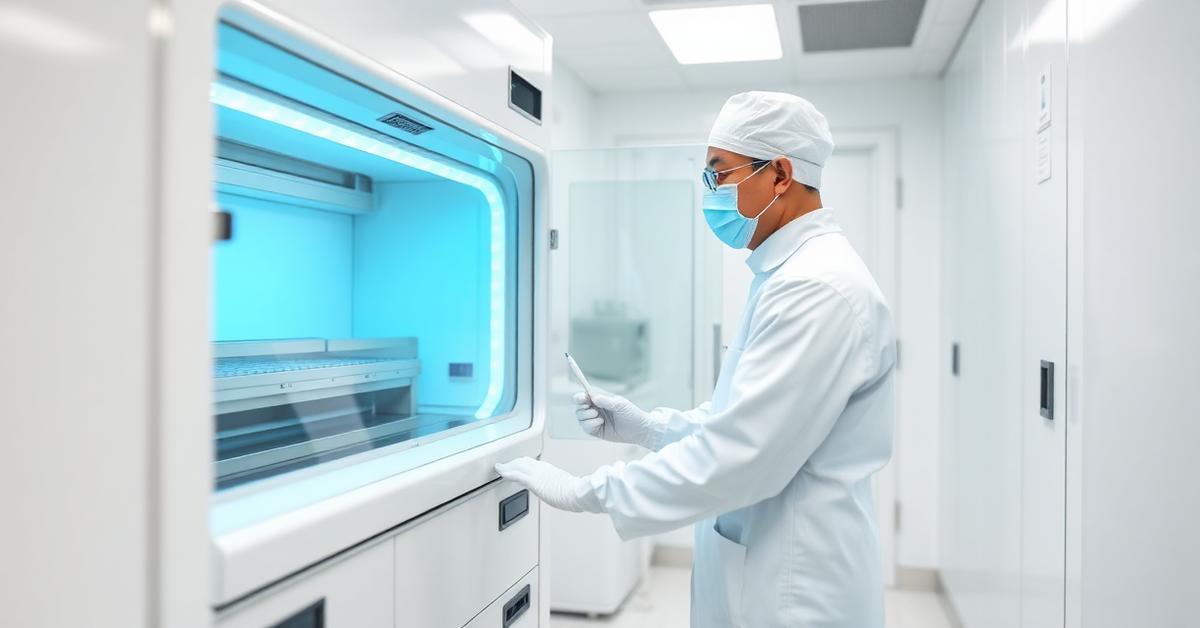
Inside EHL Bio's GMP lab: the standard that makes stem cells safe to infuse
GMP (Good Manufacturing Practice) is the regulator-defined manufacturing standard that keeps every production lot consistent. EHL Bio's first GMP centre was completed in 2015, inspected by Korea's MFDS in 2016, and a second centre opened in 2019, giving a combined 6,000 lots per year. Inside are particle-, temperature- and humidity-controlled cleanrooms, with all cell handling done in biological safety cabinets (BSC).
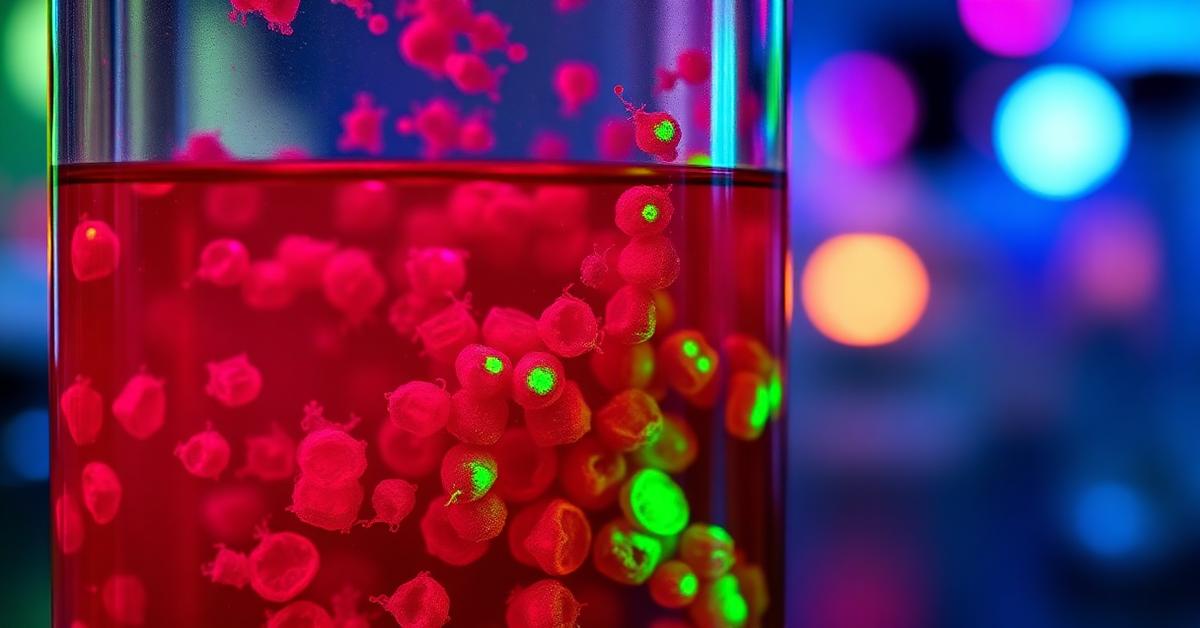
What are adipose-derived stem cells, and why does Korea use them?
Adipose-derived stem cells are mesenchymal stem cells (MSCs) isolated from a patient's own fat. They self-renew and can differentiate into bone, cartilage, muscle and neural lineages — but their bigger clinical value is immunomodulation and anti-inflammatory signalling, the main mechanism behind their use in chronic disease. Korea favours fat as the source because harvesting is simple, cell yield per gram is high, and autologous cells avoid rejection issues.
ADSTEM inj.: EHL Bio's stem cell drug for atopic dermatitis
ADSTEM inj. is EHL Bio's cell drug using the patient's own adipose-derived mesenchymal stem cells, given as two intravenous infusions, targeting moderate-to-severe subacute and chronic atopic dermatitis. Phase 1 finished in 2017 and the product was approved into phase 2, run at Chung-Ang University Hospital and five other sites.
KDSTEM inj.: urine-derived stem cells and Klotho for chronic kidney disease
KDSTEM inj. is EHL Bio's cell therapy candidate using the patient's own urine-derived mesenchymal stem cells, given as repeat intravenous infusions for chronic kidney disease. Its scientific hook is that these cells express Klotho, an anti-ageing protein with antioxidant, anti-senescence, angiogenic and metabolic-regulating roles. It sits in preclinical and early clinical development.
RASTEM inj.: stem cells for moderate-to-severe rheumatoid arthritis
RASTEM inj. is EHL Bio's autologous adipose MSC therapy, given as repeat intravenous infusions for moderate-to-severe rheumatoid arthritis. Preclinical work is complete and phase 1 preparation is under way. The concept is to use MSC immunomodulation to reduce autoimmune joint destruction.
PDSTEM inj.: EHL Bio's stem cell research for Parkinson's disease
PDSTEM inj. is EHL Bio's cell therapy candidate for Parkinson's disease, using the patient's own adipose MSCs by repeat intravenous infusion. It is currently in non-clinical study. The rationale is neuroprotection and reduced neuroinflammation rather than direct transplantation of dopaminergic cells as in embryonic stem cell research.

KEYCELL-IM inj.: EHL Bio's multi-immune-cell cancer therapy
KEYCELL-IM inj. is EHL Bio's immune cell therapy: NK, T, dendritic and iNKT cells are separated from the patient's own blood, each activated and expanded with proprietary culture technology, cryopreserved, then expanded for infusion. Its selling point is that a single apheresis collection yields roughly 30 times more cells than a standard blood draw, enough for 6-12 doses.
Stem cell exosomes: EHL Bio's research into neuropathic pain
Exosomes are nanovesicles every cell releases to signal to others, carrying proteins, lipids and small genetic material. EHL Bio is developing exosomes from adipose mesenchymal stem cells, with neuropathic pain as the lead indication, currently in animal studies supporting patent filings. Additional targets under study include cartilage regeneration, wound healing, diabetes, retinopathy and brain disorders.
EHL-Stem conditioned media: the real data on brightening and wrinkles
Stem cell conditioned media is the fluid produced while culturing stem cells, containing growth factors, cytokines, fibronectin and collagen. EHL Bio's EHL-Stem is INCI-registered as Human Adipose Stromal Cell Conditioned Media. Independent laboratory testing (Dermapro, January 2016) reported a 49% reduction in melanin production, 45% inhibition of tyrosinase and roughly a 9-fold increase in intracellular collagen synthesis.

Stem cells and Alzheimer's: the evidence EHL Bio cites
Alzheimer's damages the memory-controlling hippocampus and language cortex, with amyloid plaque a central driver. No drug fully dissolves plaque today, but stem cells have been reported to reduce amyloid in animal models. The work EHL Bio cites gave 13 stem cell doses to Tg2576 mice and, on the Morris water maze, found cognitive and physical function improved by 23.4% with a 31.3% increase in lifespan.
Stem cells for knee osteoarthritis: how far can an injection go?
Osteoarthritis is wear of the joint cartilage leading to inflammation, pain and restricted movement. The cell approach EHL Bio describes is harvesting the patient's own fat, expanding stem cells in the lab, then injecting selected high-quality cells into the affected joint to stimulate cartilage regeneration and reduce inflammation without joint replacement surgery. Results, though, depend heavily on how advanced the degeneration is.
 EHL Bio
Stem cells and diabetes: what EHL Bio's HbA1c numbers actually mean
EHL Bio publishes a case example where glucose fell from 300 to 120 mg/dL and HbA1c (NGSP) from 10.8% to 6.3% after stem cell treatment. The numbers are striking but they are single-case data, not a randomised controlled trial. The scientific rationale is that MSCs reduce chronic inflammation and insulin resistance, rather than fully regenerating beta cells.
Diabetic foot ulcers: how stem cells aim to save the limb
Diabetic foot ulcers are notoriously hard to heal, prone to spreading infection and sepsis, and in severe cases lead to toe or ankle amputation. EHL Bio reports using stem cells to help ulcers close and preserve foot function, showing wound progression before treatment and after the 1st, 2nd and 5th doses. The proposed mechanism is new capillary formation plus reduced chronic inflammation in the wound bed.
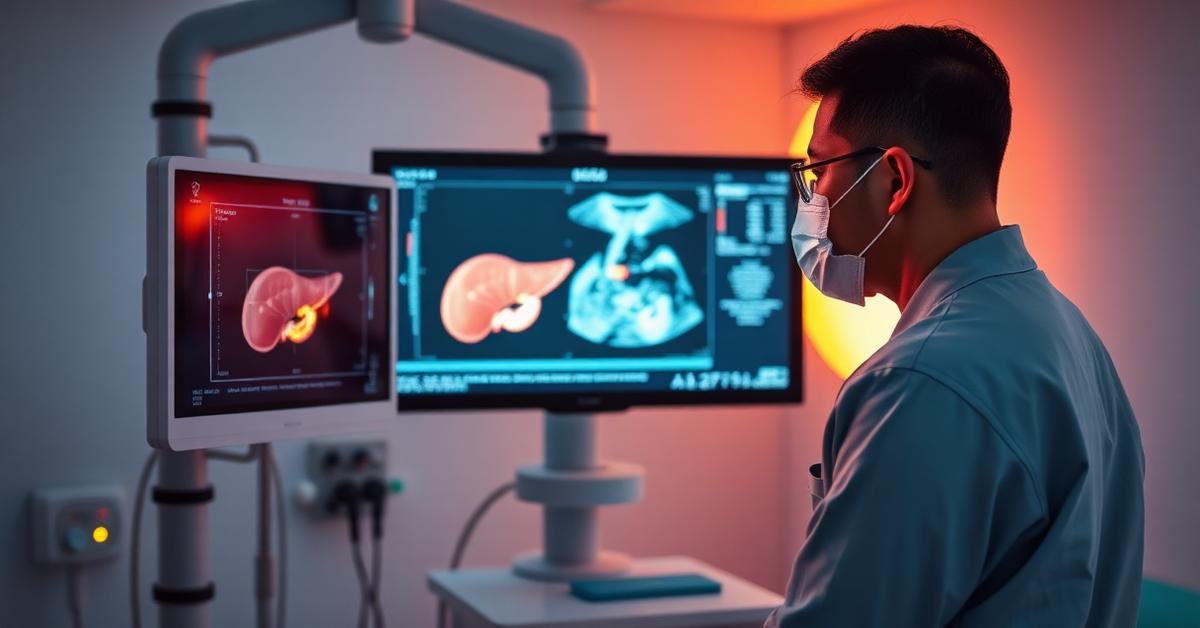
Stem cells and liver cirrhosis: hepatic artery delivery for liver repair
Cirrhosis replaces functioning liver tissue with fibrosis. The approach EHL Bio describes uses the patient's own multipotent stem cells injected directly into the hepatic artery so they can support regeneration of damaged liver tissue, with reported reductions in ascites volume and improved liver function. Using autologous cells also lowers immune rejection risk.
Stem cells, myocardial infarction and new blood vessel growth
A myocardial infarction occurs when a coronary artery blocks and heart muscle loses blood supply. The cell approach EHL Bio describes uses adult stem cells to stimulate vascular regeneration around the blockage, improving perfusion. This field began after Asahara's 1997 discovery of endothelial progenitor cells and clinical trials have expanded since, but it is not standard care in place of revascularisation.
Stem cells for chronic lung disease: hope, limits and what to ask
Chronic lung diseases such as emphysema and pulmonary fibrosis permanently damage alveoli and cut gas exchange. EHL Bio lists lung disease among conditions where stem cells hold potential, since MSCs are anti-inflammatory and anti-fibrotic. Human data, however, remain limited to small studies, so core treatment is still smoking cessation, inhaled bronchodilators, pulmonary rehabilitation and oxygen therapy where indicated.
Autoimmune disease and stem cells: the Th1/Th2 balance principle
There are over 100 autoimmune diseases, arising when the Th1/Th2 T-cell balance breaks and immunity attacks the body's own tissue. EHL Bio explains that stem cells help restore Th1/Th2 equilibrium, giving them potential in this disease group, and that they normalise both under- and over-active immunity. That is why cell therapy is being trialled across conditions from atopic dermatitis to rheumatoid arthritis.

Stem cells and erectile dysfunction: what the Urology journal data show
Most erectile dysfunction is vascular in origin: when penile vessels lose elasticity, blood escapes and erection cannot be sustained. The approach EHL Bio cites injects the patient's own abdominal fat-derived mesenchymal stem cells into the corpus cavernosum. The referenced study (Urology 2018;121:203.e6-203.e13) reported that six months after a single injection, participants' IIEF scores rose from about 6 to about 12 — moving from severe to mild-moderate dysfunction.
EHL Bio's patents and research: how to read them properly
EHL Bio publishes its patent and research list to demonstrate technical capability, spanning a fat harvesting/SVF separation kit, 15-PGDH inhibitor applications for atopic dermatitis and rheumatoid arthritis, and a three-dimensional low-oxygen culture method for producing conditioned media. The key distinction for readers: a patent protects an invention; it does not mean the product's efficacy is proven or that it is approved for treatment.
 EHL Bio
EHL Bio's history: from a 2012 research institute to a stem cell drug developer
EHL Bio began with a bio research institute founded in 2012, then built its own GMP cell-manufacturing centre, earned a Japanese CPC licence, grew a network of roughly 100 partner hospitals in Korea and 50 abroad, and pushed several cell drugs into clinical trials.
How EHL Bio tests cell quality: sterility, viability and purity
Before a lot is released, a GMP lab must test at least four things: sterility, mycoplasma, endotoxin, and the cells themselves — viability, cell count and the surface markers confirming they really are MSCs. These certificates are documents a patient is entitled to ask for.
A Thai patient's guide to stem cell treatment at EHL Bio in Korea
For Thai patients, treatment at EHL Bio usually means two trips: the first for assessment and fat harvesting, then roughly 4-6 weeks of culture, then a second trip for the infusions. Recent blood work and imaging must be reviewed by the medical team before any booking.
ADSTEM inj. in clinical trials: how to read the phase 1 and 2 results
ADSTEM inj. is EHL Bio's adipose stem cell drug for severe atopic dermatitis. Phase 1 focuses on safety and tolerated dose; phase 2 starts measuring efficacy such as eczema severity scores and itch. A phase 2 signal is not the same as approval for general use.
What urine-derived stem cells are, and why KDSTEM uses them for kidney disease
Urine-derived MSCs are cells shed from the urinary tract lining that can be expanded in culture. They are collected without surgery or a tissue biopsy and originate close to the renal system. EHL Bio's KDSTEM Inj. uses them for chronic renal failure, with a mechanism linked to the Klotho protein.
RASTEM vs biologic drugs in rheumatoid arthritis: what is different
Biologics in rheumatoid arthritis block a specific inflammatory signal such as TNF-alpha or IL-6. RASTEM, a cell drug in EHL Bio's pipeline, instead aims to modulate immune balance through the factors the cells secrete. The two are not interchangeable, and both belong under a rheumatologist's care.
PDSTEM and the outlook for cell therapy in neurodegenerative disease
PDSTEM is EHL Bio's pipeline cell drug aimed at Parkinson's disease. Neurodegeneration is hard because dead neurons do not regrow and therapies must cross the blood-brain barrier, so cell approaches focus on calming neuroinflammation and protecting surviving neurons rather than replacing lost ones.

Cell banking and cryopreservation: keeping stem cells usable for years
Long-term stem cell storage uses liquid nitrogen at about -196C together with a cryoprotectant such as DMSO and a controlled-rate freeze. The step that most affects final quality is thawing, which must be fast and followed by correct removal of the cryoprotectant.
 EHL Bio
SVF versus cultured stem cells: what is the real difference
SVF (stromal vascular fraction) is a mixed cell population separated from fat within a single day, containing only a modest share of stem cells. Cultured therapy instead selects and expands MSCs in a lab over 4-6 weeks, giving far higher cell numbers and fuller quality testing, at the cost of time and money.
Passage number and stem cell potency: what patients should know
Each time cells are moved to fresh culture vessels counts as one passage. The higher the passage, the closer cells drift to senescence: slower division and weaker secretion of therapeutic factors. Good labs therefore cap passage number and test potency per lot rather than counting cells alone.
Stem cells and recovery after stroke
After a stroke the brain's capacity to rewire peaks in the first 3-6 months, and structured rehabilitation remains the best-evidenced treatment. Cell therapy sits at the research stage, with the hope of reducing inflammation and encouraging new blood vessel growth around the damaged area.
Stem cells for spinal cord injury: hope versus evidence
Spinal cord injury produces a glial scar that physically and chemically blocks nerve regrowth. Cell research therefore aims to lower inflammation, limit fibrosis and create a more permissive environment for connections — not to splice severed nerves. It remains investigational and case-by-case.
Diabetic peripheral neuropathy: what stem cells may and may not do
Diabetic peripheral neuropathy comes from chronic high glucose damaging both nerves and the microvessels that feed them. The cell therapy rationale is to promote new capillaries and reduce inflammation, which may ease numbness and burning in some patients — but glucose control remains the decisive factor.
Fatty liver and stem cells: what can be done before cirrhosis
Non-alcoholic fatty liver disease can progress to steatohepatitis, fibrosis and eventually cirrhosis. Losing 7-10% of body weight remains the best-evidenced intervention; stem cell work targets inflammation and fibrosis in liver tissue and is not a substitute for lifestyle change.

Heart failure: stem cells and cardiac muscle recovery
Heart failure means the heart cannot pump enough for the body's needs, commonly graded by ejection fraction. Cell research targets myocardial fibrosis and new capillary growth; reported gains tend to be in six-minute walk distance and quality of life rather than large EF jumps.
Type 1 vs type 2 diabetes: why the stem cell approach differs
Type 1 diabetes is autoimmune destruction of pancreatic beta cells; type 2 combines insulin resistance with declining beta-cell function. The cell therapy goals differ accordingly: immune modulation and protection of residual beta cells in type 1, versus lowering inflammation and improving insulin sensitivity in type 2.
Insulin resistance and metabolic syndrome: where cell therapy fits
Metabolic syndrome is a cluster — excess waist circumference, high blood pressure, high triglycerides, low HDL and elevated glucose — with insulin resistance at its centre. The MSC rationale is to reduce the chronic inflammation linking them, always alongside weight loss and exercise.
Chronic wounds that will not close: how exosomes and stem cell factors help
A chronic wound is one that has not healed in 4-6 weeks, usually because of poor perfusion, infection or stalled inflammation. Exosomes and stem cell secreted factors carry growth signals that encourage capillary and collagen formation — but only alongside standard wound care.
Lupus (SLE) and cell therapy: retraining an immune system that attacks itself
Lupus is an autoimmune disease that can affect skin, joints, kidneys and blood. Mainstay therapy is immunomodulators and steroids scaled to severity. MSC research focuses on patients refractory to standard treatment, aiming to expand regulatory immune cells and calm inflammation.
Psoriasis: when the skin mirrors an immune problem
Psoriasis arises when immune signalling drives skin cells to divide far too fast, producing thick scaly plaques. A share of patients also develop arthritis, and metabolic risk runs higher than average. The cell therapy idea is systemic immune rebalancing rather than treating skin alone.
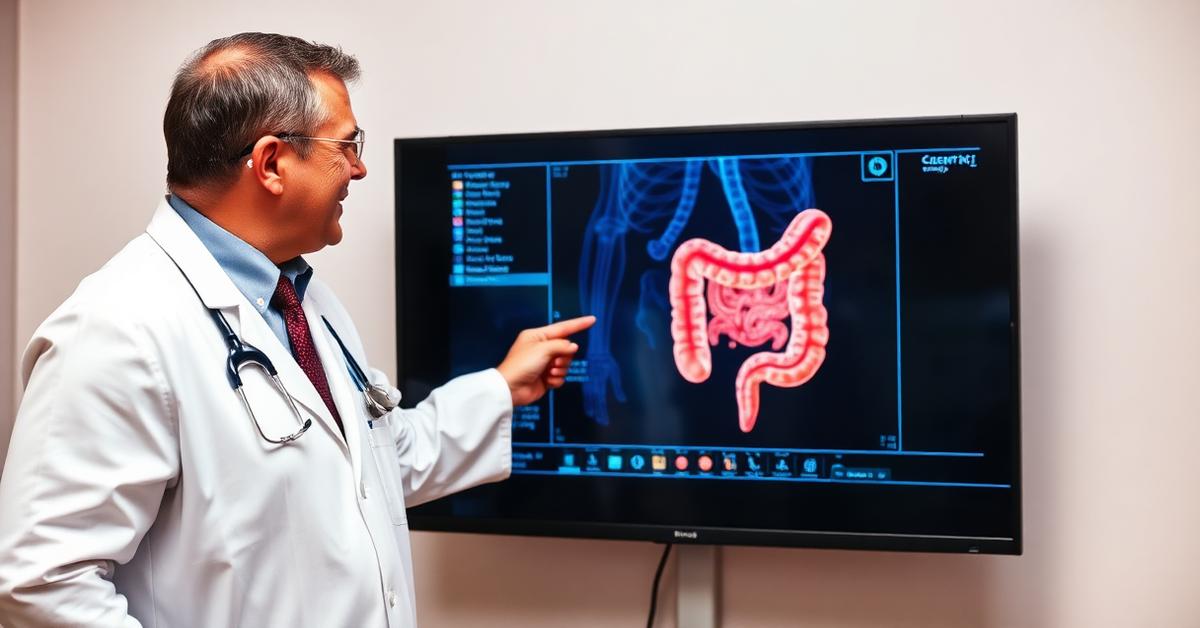
Crohn's disease and IBD: the stem cell angle
Crohn's disease and ulcerative colitis involve immune-driven gut inflammation interacting with the microbiome. The best-supported MSC use is local injection for perianal fistulas in Crohn's — a complication that responds poorly to standard treatment.
 EHL Bio
Men's vitality stem cell programmes: separating fact from marketing
Clinic 'male vitality' packages often bundle stem cells, IV vitamins and hormones. The first step is finding the real cause of the fatigue — low testosterone, sleep apnoea, anaemia, thyroid disease or diabetes — because each has a specific treatment that works better.
Male hair loss: exosomes and stem cells versus standard treatment
Male pattern hair loss is driven by DHT progressively miniaturising follicles. The best-evidenced treatments are minoxidil and 5-alpha reductase inhibitors. Exosomes and stem cell factors are adjuncts that may improve density in some patients but do not stop the hormonal mechanism.
Male infertility: where stem cell research actually stands
Roughly half of male infertility has a correctable cause: varicocele, infection, hormonal disorders, heat exposure and habits such as smoking. Stem cell research here is early stage and not standard care, so a proper cause workup always comes first.

Age-related low testosterone: a safe way to approach it
Testosterone declines slowly with age, roughly 1% per year after 30. Symptoms such as fatigue, lower libido and muscle loss are non-specific, so at least two morning blood tests are needed before concluding anything. Hormone therapy has both benefits and risks that must be weighed with a physician.
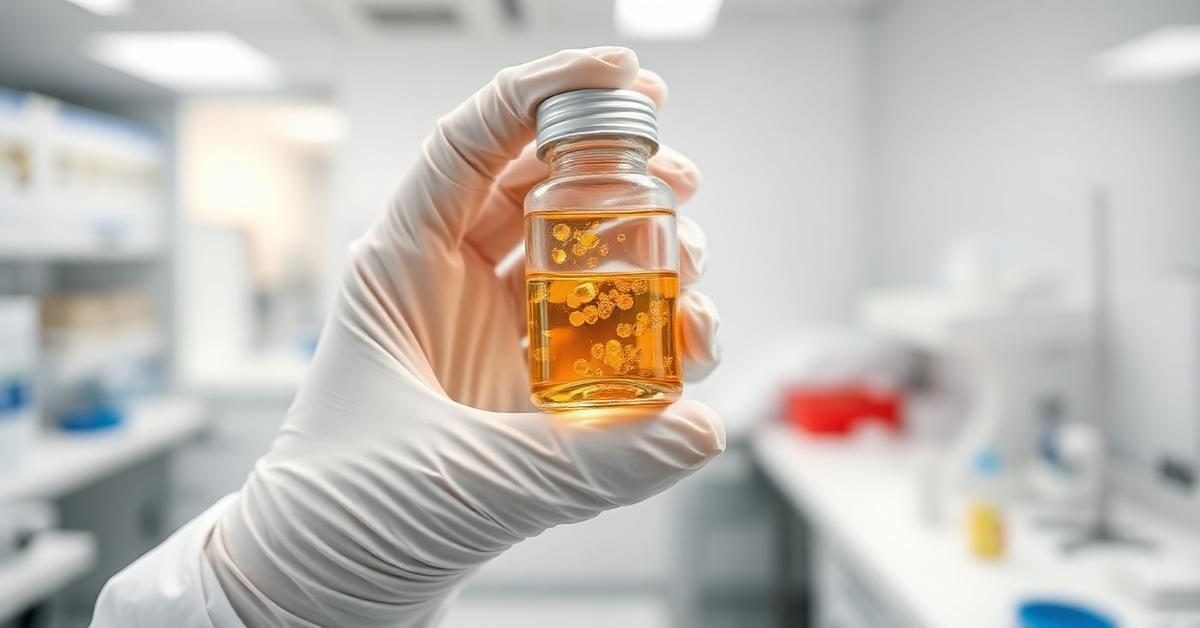
What is SVF? The adipose stem cell core used at Cheongdam The Cell
SVF (Stromal Vascular Fraction) is a mixed cell population freshly isolated from your own fat: roughly 30% adipose-derived stem cells, 25% immune cells, 20% fibroblasts, 15% pericytes and 10% endothelial progenitors. Cheongdam The Cell builds its stem cell recovery programmes on SVF because those five populations calm inflammation, repair tissue and restore microvasculature at the same time.
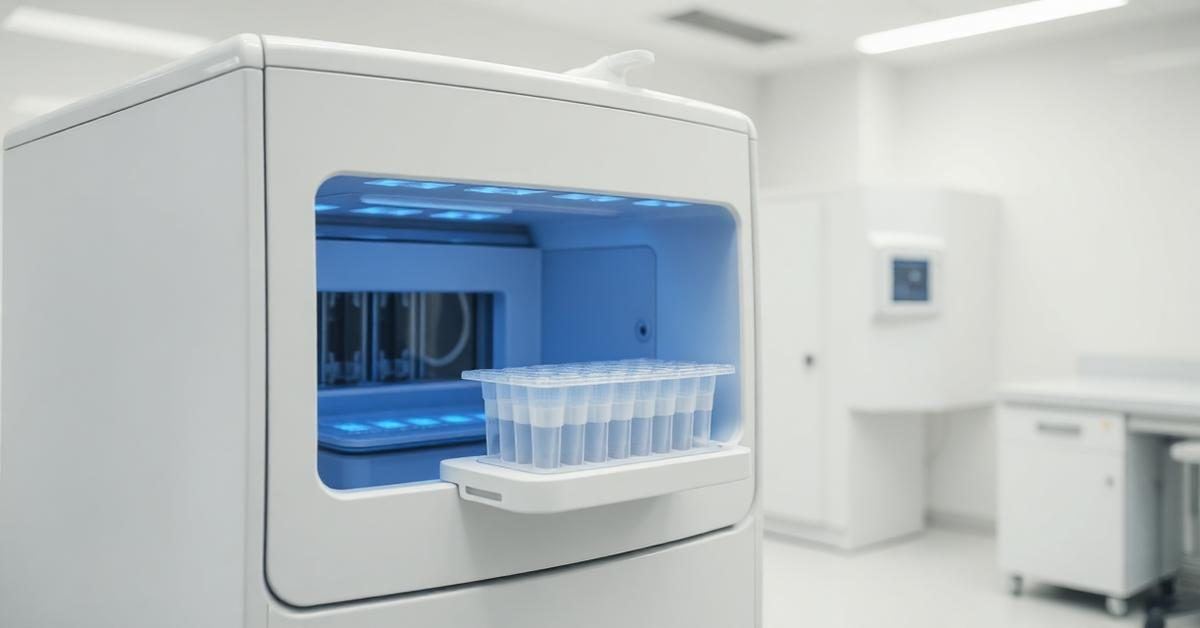
HuriCell explained: the automated SVF isolation system at Cheongdam The Cell
HuriCell is a patented, closed-loop automated system for isolating SVF, and it is the technical core of Cheongdam The Cell's regenerative programmes. The workflow has four steps: harvest fat under local anaesthesia, digest the tissue with collagenase, isolate SVF in the automated device, then inject the cells into the target area. A closed system lowers contamination risk and makes cell quality more consistent than manual preparation.
Adipose vs bone marrow stem cells: why Cheongdam The Cell chooses fat
Fat tissue contains roughly 2.0% stem cells versus about 0.002% in bone marrow — a thousandfold difference. That density is the main reason Cheongdam The Cell bases its regenerative programmes on adipose-derived cells. Fat is also harvested under local anaesthesia with less pain and faster recovery, and being autologous it carries no rejection risk.
SVF versus cultured MSC: which stem cell route fits you?
SVF is a same-day, multi-cell isolate from fat. Cultured MSC means selecting mesenchymal stem cells and expanding them in a lab for 3–6 weeks into a large, pure population. Cheongdam The Cell's core programmes use SVF because they finish in one trip and sit within minimally manipulated autologous use, whereas cultured MSC suits cases needing very high cell doses and repeat infusions, at the cost of waiting time and stricter rules.
What 70–100 million cells really means, and why counting matters
Cheongdam The Cell quotes explicit cell numbers: 10–15 million for a full-face injection and 70–100 million for the systemic-plus-facial programme. Those figures describe the SVF actually isolated and measured on an SOL counter before injection. Counting is what turns a package name into something a patient can verify.
Intravenous stem cell recovery: who it suits and who should wait
Intravenous stem cell recovery delivers autologous SVF into the bloodstream so cells circulate to inflamed tissue and release signalling factors that help rebalance immunity. Cheongdam The Cell positions this within its cellular-health track. It suits people with chronic fatigue or slow recovery, but not those in active cancer treatment, with acute infection, or who are pregnant.

Healthy aging with stem cells: cellular renewal, not just fillers
Cellular anti-ageing aims to reduce chronic inflammation, restore microcirculation and stimulate collagen from within — unlike fillers or botulinum toxin, which change appearance directly. Cheongdam The Cell places Healthy Aging as the second stage of its Wellness Journey after cellular health, combining SVF with adjuncts such as an oxygen chamber, light therapy and whole-body cryotherapy.
Stem cells for skin: acne scars, burns and dull complexion
Cheongdam The Cell's SVF skin programme injects autologous adipose cells into the dermis to stimulate fibroblasts, rebuild collagen and restore microcirculation. The best-supported goals are overall skin quality, elasticity, shallow acne scarring and skin damaged by burns or psoriasis; deep ice-pick scars usually still need laser or other procedures alongside.
 Cheongdam The Cell
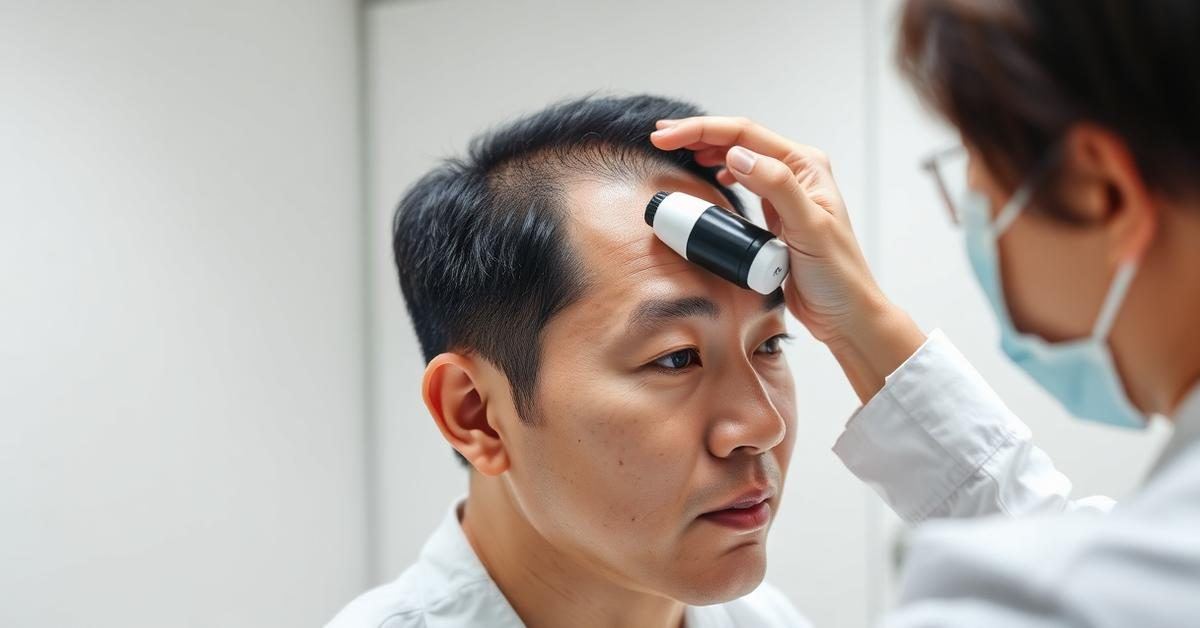
Stem cells for hair loss: the SVF scalp programme at Cheongdam The Cell
The SVF scalp programme injects autologous adipose cells into the scalp to improve perifollicular circulation, reduce inflammation and extend the growth phase. The centre's medical director published SVF hair-loss research in Stem Cell Research & Therapy in 2021. Responders are typically early-to-moderate thinning with follicles still present — not fully bald areas.
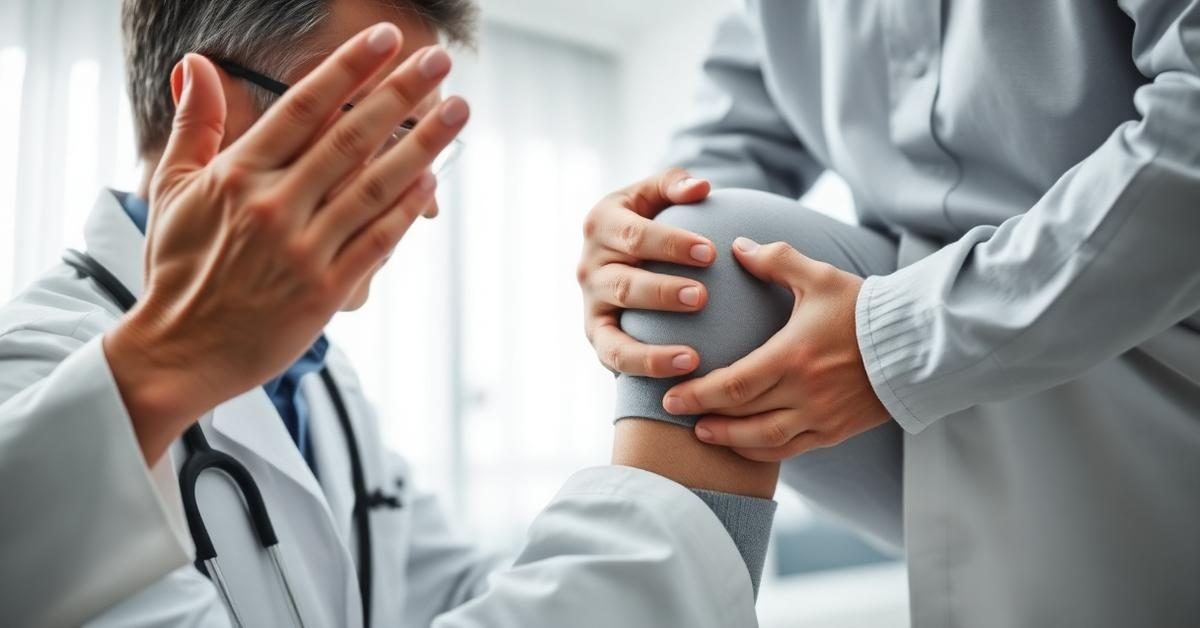
Stem cells for knee osteoarthritis: what SVF can and cannot do
Intra-articular SVF aims to calm synovial inflammation, relieve pain and slow cartilage loss. Most likely to benefit are early to moderate osteoarthritis (Kellgren-Lawrence grade 2–3) with joint space remaining. In advanced bone-on-bone disease, knee replacement remains the clearly superior standard.
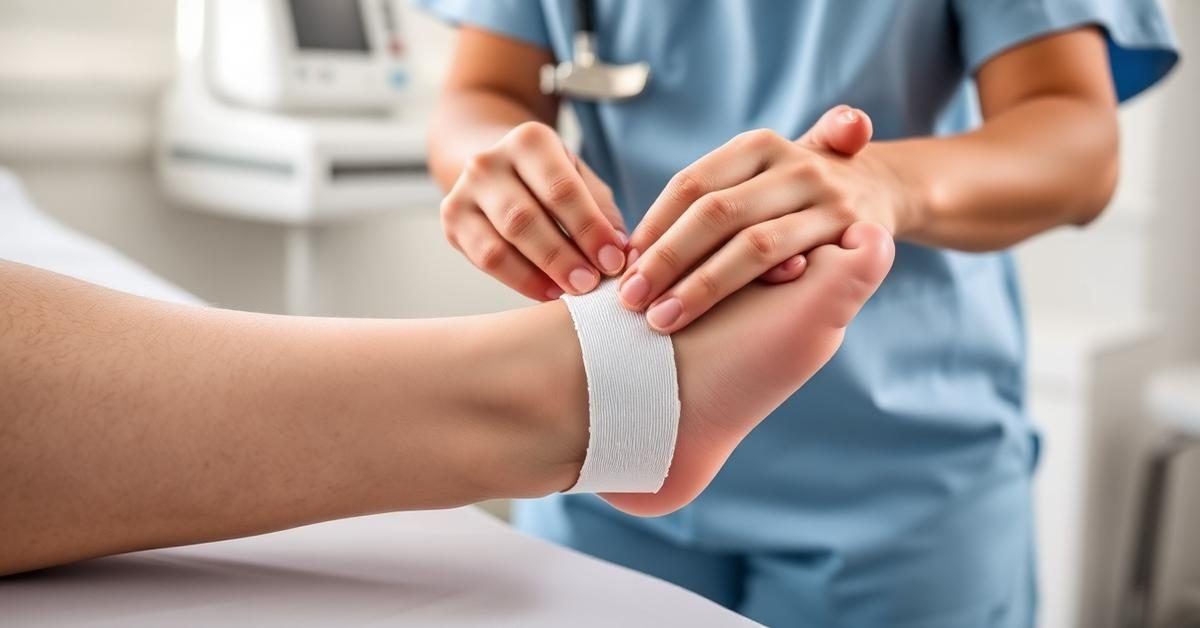
Diabetic foot ulcers and stem cells: how SVF targets perfusion
Diabetic foot ulcers heal slowly because of microvascular damage, neuropathy and chronic inflammation. Peri-wound SVF aims to promote new vessel formation and reduce inflammation so tissue receives more oxygen. Cheongdam The Cell groups this in its medical track alongside arthritis — but glucose control, offloading and standard wound care remain the non-negotiable base.
 Cheongdam The Cell
Post-surgical recovery with stem cells: necrosis and scar management
The post-surgical SVF track addresses tissue ischaemia after an operation, partial necrosis, and scarring or contour irregularity after aesthetic surgery, using autologous adipose cells to stimulate capillary formation and improve tissue quality. Cheongdam The Cell lists post-surgical necrosis care explicitly — and it should be planned together with the original surgeon.
 Cheongdam The Cell
Stem cells for men: energy, performance and recovery
Cheongdam The Cell's men's programme targets whole-body recovery: energy, sleep quality, post-exercise recovery and the vascular health behind sexual performance, mainly by reducing chronic inflammation and restoring microcirculation. Before starting, check testosterone, glucose, lipids and sleep apnoea — the most common causes respond to basic treatment.
 Cheongdam The Cell
Stem cells for women: hormonal balance, skin and recovery
Cheongdam The Cell's women's track focuses on whole-body recovery during hormonal transition. The most direct goals are skin quality, tissue elasticity, energy and recovery from fatigue. Menopausal symptoms such as hot flushes and bone loss still need gynaecological assessment and standard management — hormone therapy or bone care — as the primary route.
 Cheongdam The Cell
Stem cells for muscle recovery and sports injury
SVF for muscle recovery aims to reduce post-exertion inflammation, improve perfusion in injured tissue and support tendon and muscle repair. Cheongdam The Cell places this in its regenerative recovery track alongside physiotherapy and adjuncts such as the oxygen chamber and cryotherapy. Realistic expectations are faster recovery and less pain — not performance beyond an athlete's baseline.
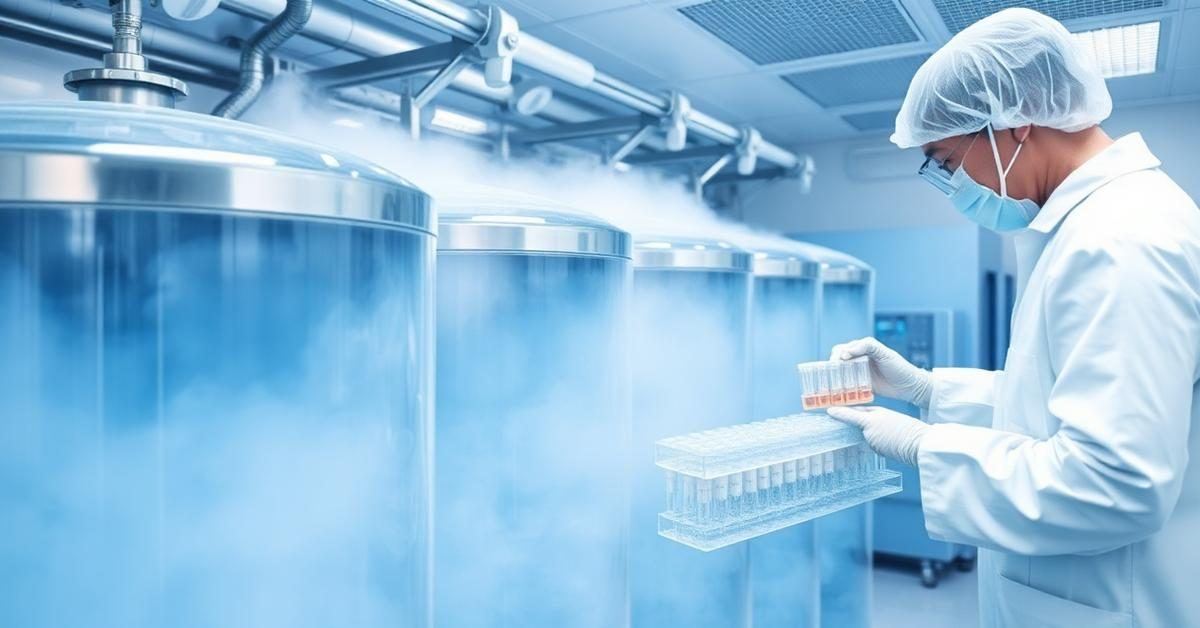
Cell banking at Cheongdam The Cell: store today, use later
Cell banking stores your own adipose-derived stem cells in liquid nitrogen at -196°C so they can be used later without a new harvest each time. Cheongdam The Cell describes four steps: a ~30-minute fat collection, HuriCell SVF isolation, cryopreservation, and thawing for future use. The main reason people bank is that cell quality declines with age.
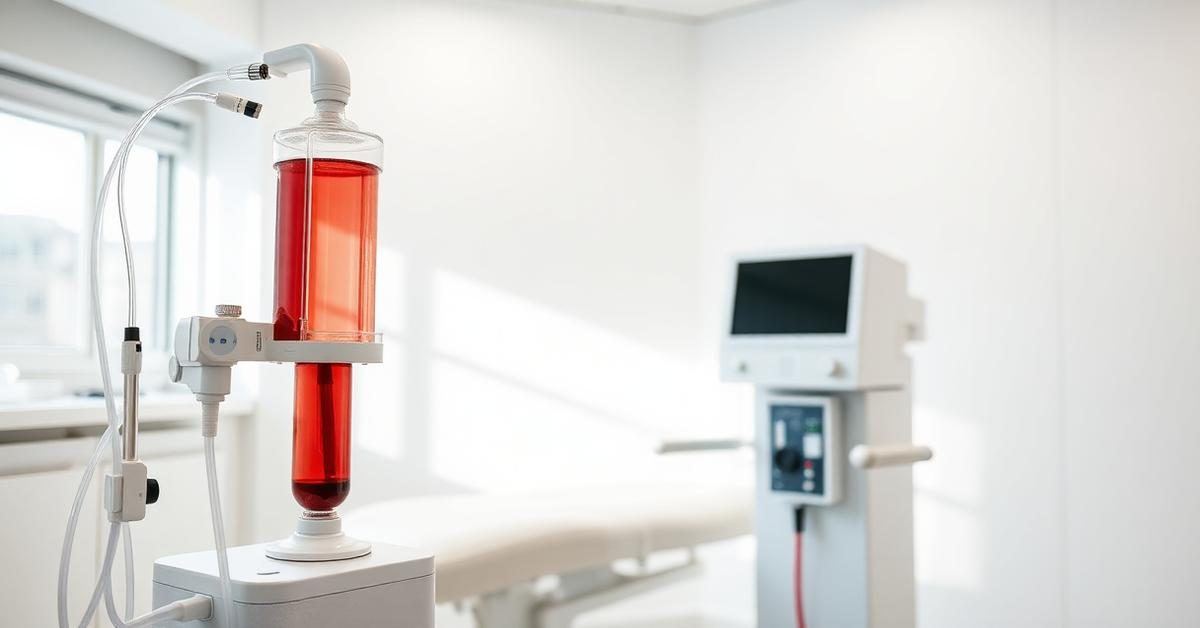
What is HemaPure? Blood purification alongside cellular recovery
HemaPure is a blood purification programme listed by Cheongdam The Cell in its recovery track, promoted on the site at 3,500,000 KRW from a list price of 4,500,000 KRW. The idea is to reduce circulating waste and excess lipids alongside a stem cell recovery programme. Anyone interested should request the exact method, the before-and-after markers used, and clear medical indications first.

The Cheongdam The Cell Wellness Journey: six stages from cells to beauty
Cheongdam The Cell organises its services as a six-stage journey: cellular health, healthy aging, recovery, body, beauty and wellness. Stem cell therapy is the backbone, supported by HemaPure, a whole-body oxygen chamber, SunBeam light therapy, a cryo chamber, Korean medicine and physiotherapy. The intent is that international patients can complete several goals in one trip, starting from a medical assessment.

Is stem cell therapy legal in Korea? MFDS rules and SVF safety
In South Korea, minimally manipulated autologous cells — such as SVF isolated from fat and reinjected the same day — may be used at a physician's discretion within the relevant legal framework, while expanded cell products fall under stricter product regulation. Cheongdam The Cell states that it follows protocols aligned with MFDS guidance and uses the closed HuriCell system to reduce contamination risk.

Cheongdam The Cell prices and a Thai patient's travel guide to Busan
Cheongdam The Cell is located in Busan, South Korea, and publishes package prices for autologous adipose stem cells: the systemic-plus-facial programme at 70–100 million cells is promoted at 15,000,000 KRW from a 20,000,000 KRW list price, and a full-face programme at 10–15 million cells is 5,900,000 KRW. Thai patients should budget the total cost including flights, accommodation, interpreting and follow-up back home.
 Bong Bong Wellness
Bong Bong Wellness Clinic: Gangnam's Basic Cell and anti-ageing programme
Bong Bong Wellness Clinic operates under Bong Bong Plastic Surgery & Dermatology at 657 Nonhyeon-ro, Gangnam-gu, Seoul, led by Dr. Park Sung-soo. It is built on an 'Inner Beauty' philosophy — that lasting beauty starts with internal health and immunity — anchored by a Basic Cell (stem cell) programme alongside six supporting recovery treatments.

What is Inner Beauty? Why Bong Bong Wellness Clinic starts from first-line immunity
Inner Beauty is Bong Bong Wellness Clinic's core philosophy: lasting external beauty must start from a strong first-line immune defence, built through appropriate exercise, balanced nutrition and good blood circulation. When immunity is robust, tissue repair and recovery speed up and ageing slows. The clinic designs its wellness programmes around supporting immunity first.
Slow Aging vs Reverse Aging: how Bong Bong Wellness Clinic frames the difference
Slow Aging slows the pace of ageing by strengthening immunity, circulation and core muscle function. Reverse Aging goes a step further, aiming to reverse signs of ageing that have already occurred. Bong Bong Wellness Clinic pairs technologies such as Basic Cell therapy, high-intensity magnetic field stimulation and NK-cell activation to restore cells and immunity toward a younger, healthier state.
What is Basic Cell therapy at Bong Bong, and what does it do?
Basic Cell is the name Bong Bong Wellness Clinic uses for its stem-cell treatment, using primitive cells that have not yet differentiated and can self-renew or become specialised tissue, to repair damaged cells and tissue at the root. The clinic states it uses this for immune restoration, anti-ageing and tissue repair, delivering roughly 100 million cells per session via direct injection into the affected site.
Three cell sources in one programme: own fat, own blood, and donor fat at Bong Bong
Bong Bong Wellness Clinic's Basic Cell programme combines three cell sources in one offering: autologous adipose-derived cells (the patient's own fat), autologous blood-derived cells (the patient's own blood), and donor adipose-derived cells. Having multiple options lets physicians match the collection method to each patient's body condition and convenience, particularly for patients without enough excess fat for traditional harvesting.
 Bong Bong Wellness
Bong Bong's own 10+ year Basic Cell lab: why it matters for patients
Bong Bong Wellness Clinic states it has operated its own Basic Cell laboratory for more than ten years, allowing quality control over cell preparation from start to treatment without outsourcing samples to an external lab. That continuity supports accumulated specialised know-how and ongoing refinement of preparation processes — a factor worth weighing alongside the more than 2,000 clinical cases the clinic references.
Bong Bong's blood-derived cell kit: from a 2-week wait to same-day treatment
Bong Bong Wellness Clinic uses a dedicated extraction kit to isolate cells from the patient's own blood sample, instead of the traditional method requiring roughly two weeks of laboratory culturing. The clinic states this lets a patient give a blood sample, have cells extracted, and receive injection treatment all within a single day — particularly useful for international patients with limited time in Korea.
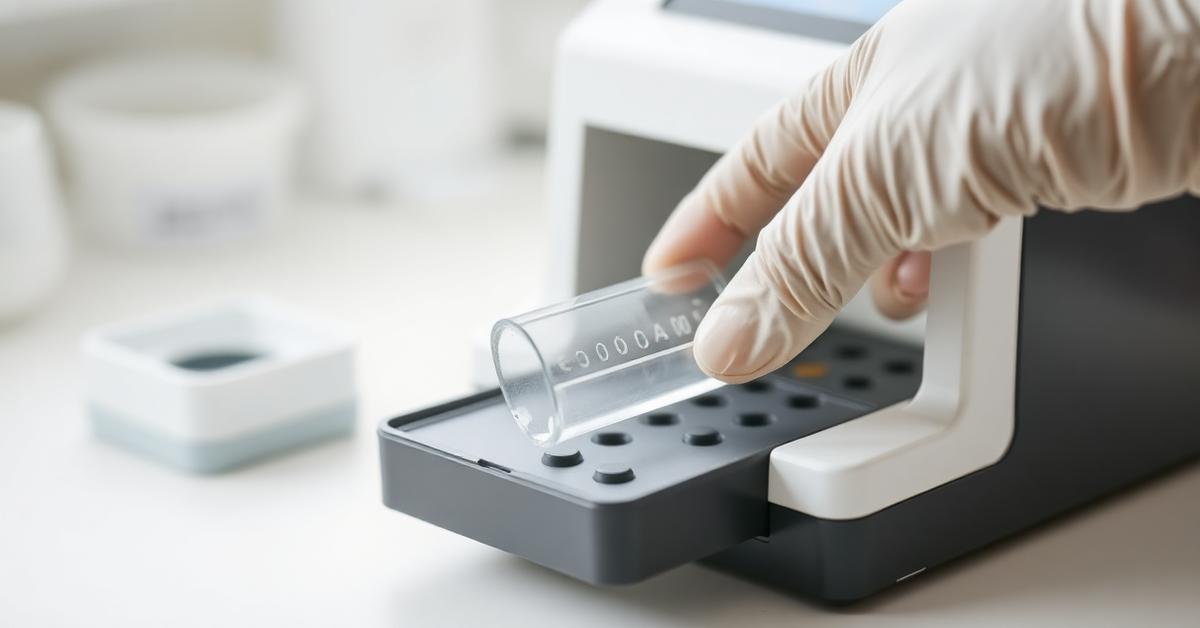
Why Bong Bong's ~100 million cells per session matters, and what to ask about dose
Bong Bong Wellness Clinic states it uses roughly 100 million cells per treatment session, a figure it presents as a highlight of the Basic Cell programme. Cell dose is only one of several factors affecting outcomes; cell quality, injection method and injection site matter just as much, so patients should ask the clinic about all of these rather than focusing on the cell count alone.
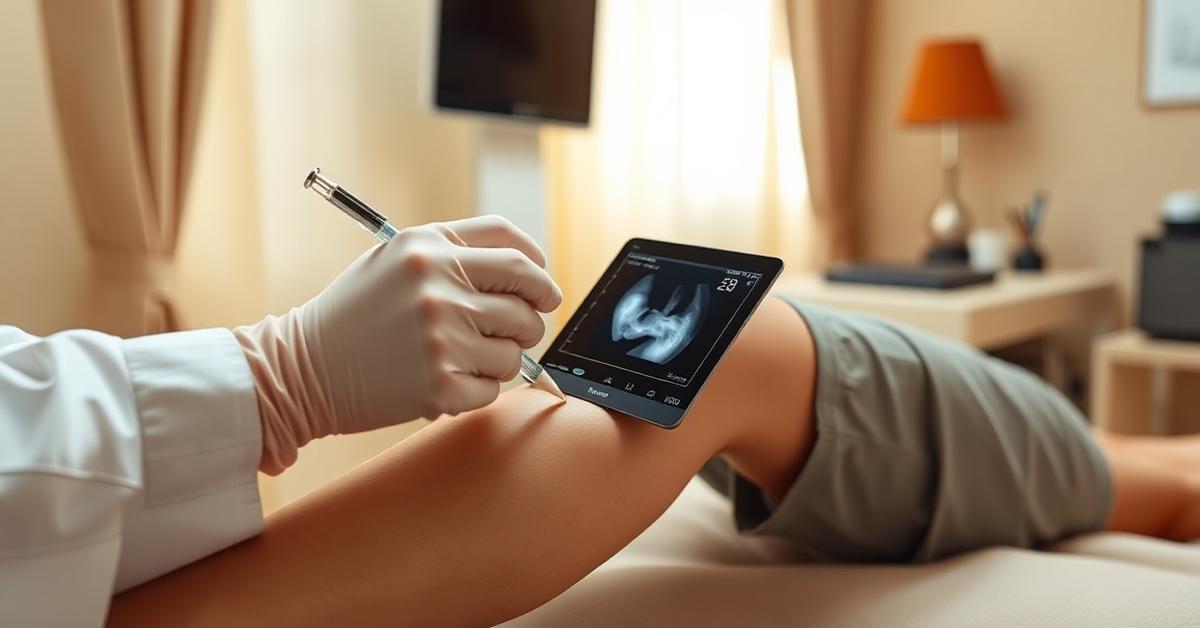
Bong Bong's precision injection technique vs standard IV delivery
Bong Bong Wellness Clinic uses a precision injection technique that delivers Basic Cells directly into the affected site, rather than relying solely on standard intravenous delivery. Its reasoning is that targeted injection lets cells act more directly at the repair site, whereas IV delivery distributes cells throughout the body via general circulation. Both approaches have different strengths and should be chosen according to each patient's specific condition.
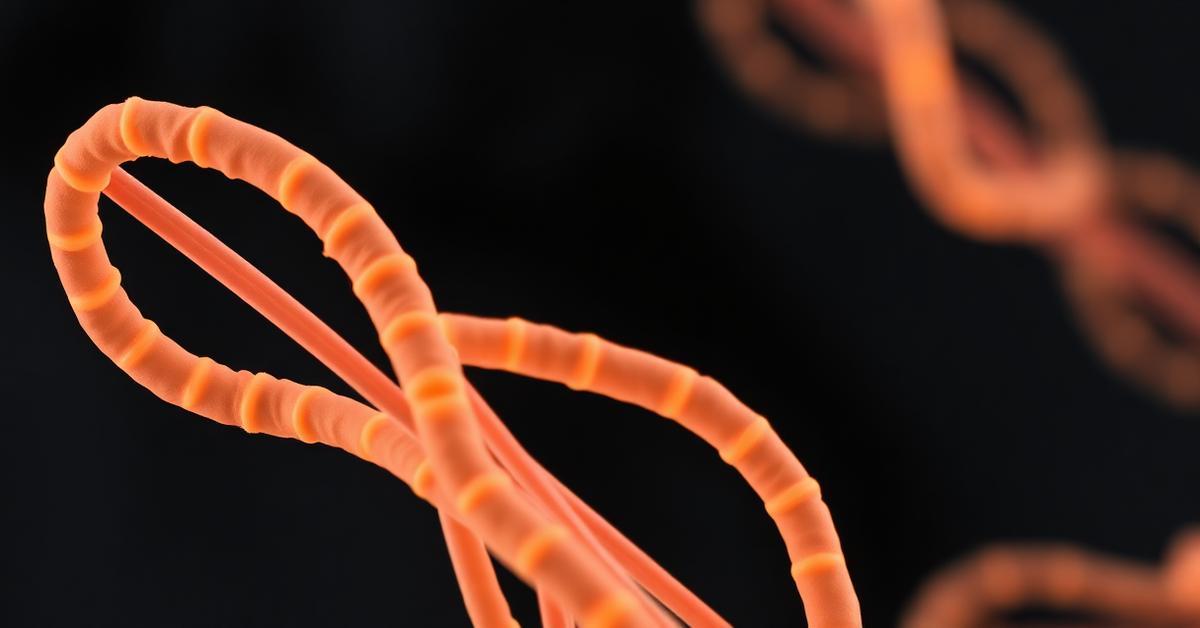
Telomere testing before a 3–4 session Basic Cell course at Bong Bong: reading the result
Bong Bong Wellness Clinic uses telomere length testing as a baseline before planning a Basic Cell course; if the result suggests accelerated ageing, the clinic recommends a 3–4 session course. Telomeres are the protective ends of chromosomes that tend to shorten with age and cellular stress, so they are used conceptually as a biological-age indicator — not as a disease diagnosis or a precise lifespan prediction.
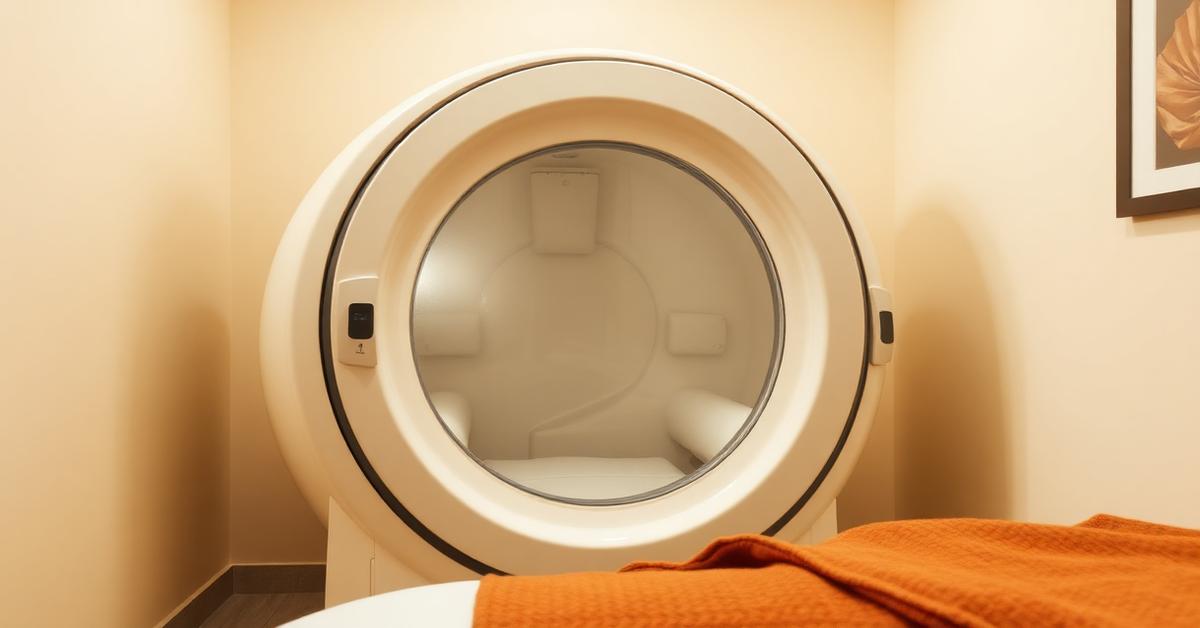
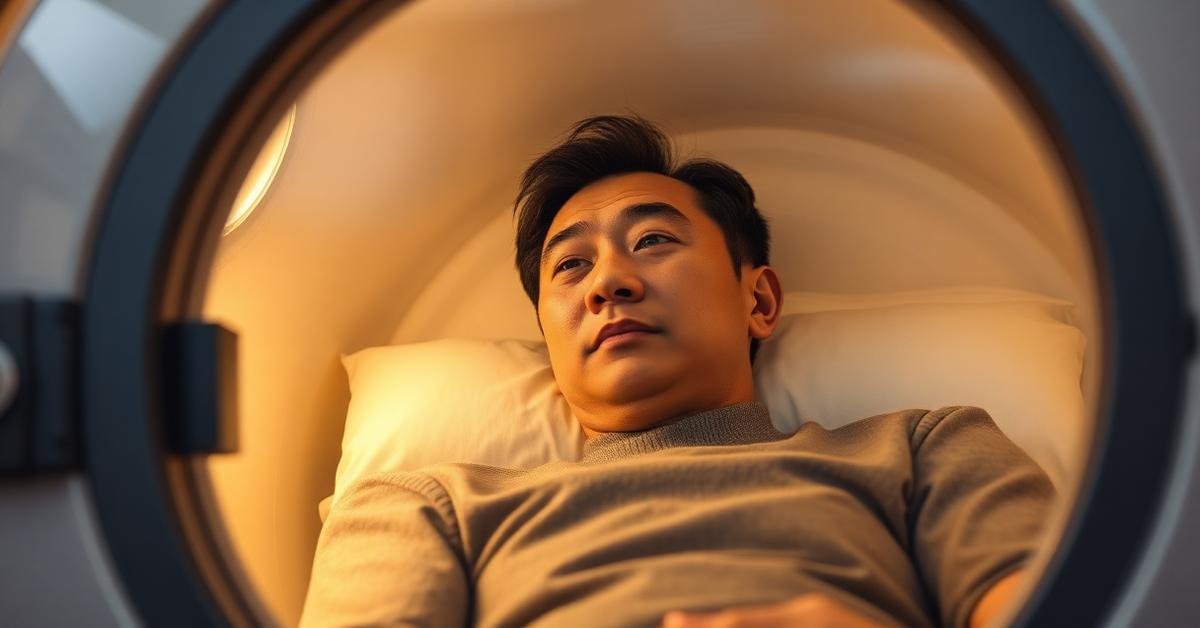
Hyperbaric oxygen (HBOT) at Bong Bong: 100% O2 above two atmospheres
HBOT means breathing 100% pure oxygen inside a chamber pressurised above two atmospheres, versus roughly 21% oxygen in ordinary air, driving far more dissolved oxygen into the bloodstream. Bong Bong Hospital lists it as one of Bong Bong Wellness Clinic's seven programmes, stating it accelerates cell renewal and supports immunity, and it is often paired with stem cell (Basic Cell) work so treated tissue has enough oxygen to repair itself.
 Bong Bong Wellness
HBOT, telomeres and immune cells: what the evidence says, and its limits
Bong Bong Wellness Clinic states that HBOT lengthens immune-cell telomeres and delays cellular senescence. This aligns with some preliminary studies showing an association in that direction, but across the wider scientific field the HBOT–telomere relationship is still accumulating evidence and is not a firm, confirmed conclusion or a substitute for standard health screening. Treat any telomere reading as supporting information, not the sole metric.
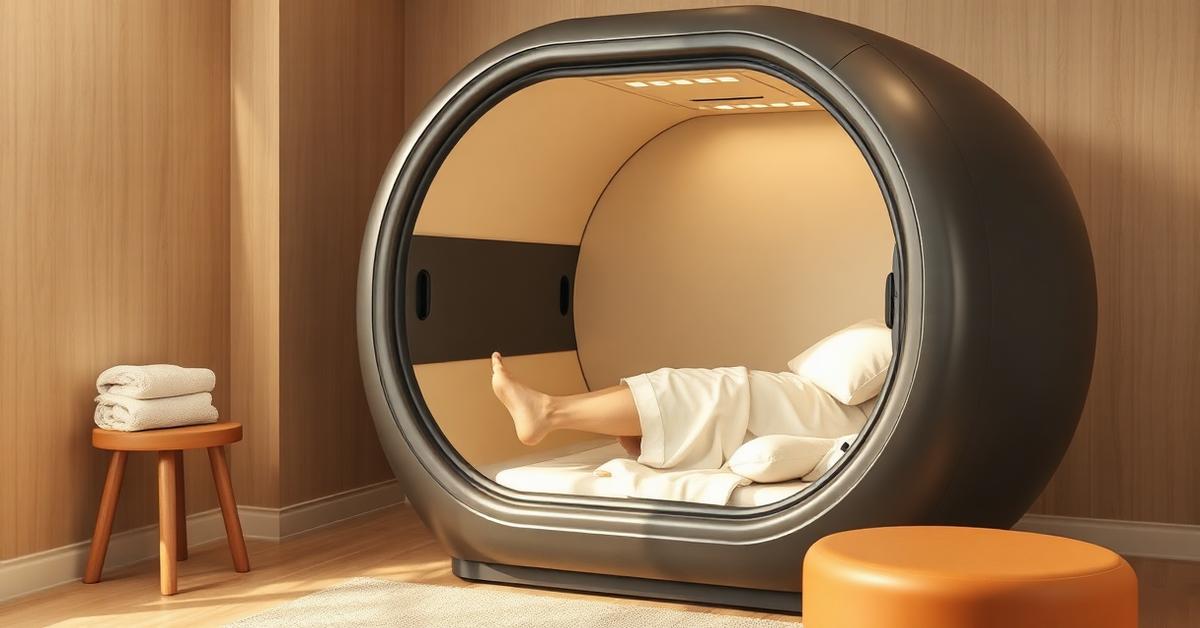
Negative-pressure circulation care (VACUMED) and distributing Basic Cells
VACUMED uses negative pressure to stimulate peripheral nerves and act like a circulatory pump. Bong Bong Hospital states this helps blood, oxygen, nutrients and injected Basic Cells circulate more effectively through the body, which is why it is often sequenced right after Basic Cell injection or HBOT. The claimed outcomes — faster cell renewal, waste clearance, collagen stimulation, less fatigue — describe overall circulation benefit, not proof that cells reach a specific target organ.

Whole-body lymphatic care: detox, less inflammation, stronger immunity
The lymphatic system filters waste and activates immune cells inside lymph nodes. Bong Bong Hospital places whole-body lymphatic care first in its seven-programme menu, stating it detoxifies accumulated waste, activates lymph-node immune cells, reduces the chronic inflammation that accelerates ageing, and lowers oedema, especially in the face and legs. The clinic treats this as the foundation before moving to more targeted programmes like Basic Cell therapy.
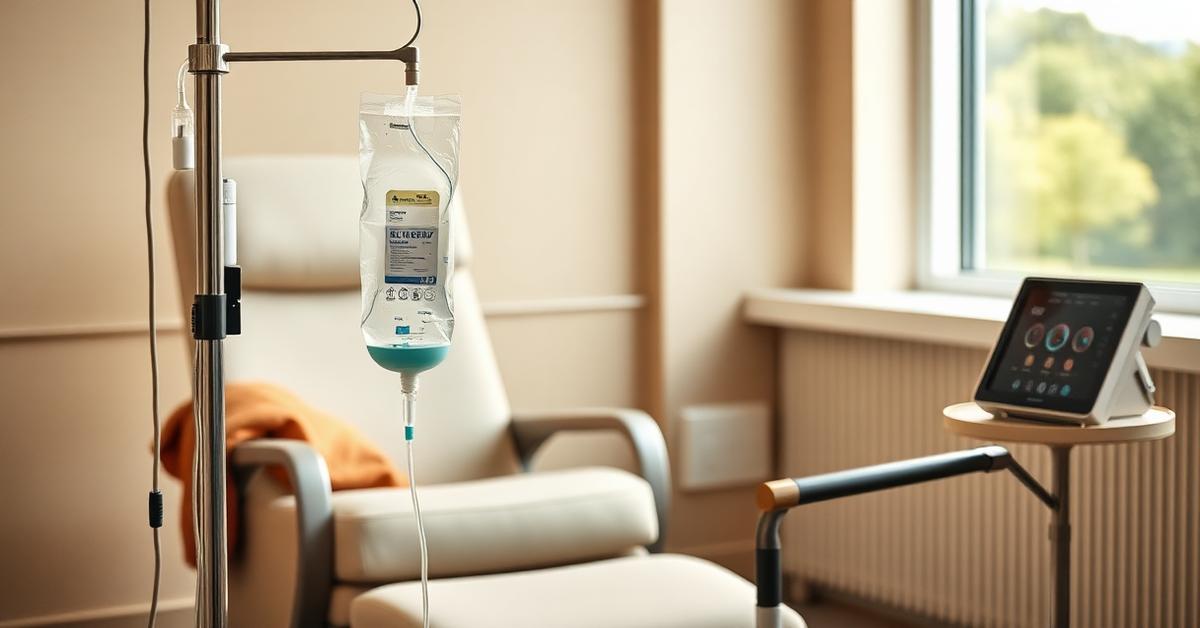
IV vitamin therapy at Bong Bong: formulas, indications, and what IV cannot do
IV therapy at Bong Bong delivers nutrients and antioxidants directly into the bloodstream, bypassing digestion, so absorption is close to complete compared with oral intake that loses some amount during gut digestion and uptake. The clinic states it restores cellular hydration and nutrient balance, adds antioxidant glutathione, and includes formulas designed specifically for autonomic nervous system balance. IV is not treatment for a specific disease and should not replace standard medical care where a clear clinical indication exists.

IV formulas for autonomic balance: sympathetic vs parasympathetic
The autonomic nervous system splits into the sympathetic branch, active during alertness or stress, and the parasympathetic branch, active during rest and repair. People living under sustained rush tend to have an overdominant sympathetic branch. Bong Bong Wellness Clinic states it designs a specific IV formula to help rebalance this, rather than simply topping up missing vitamins. The idea has a physiological basis, but objectively measuring autonomic balance needs a dedicated tool such as heart rate variability (HRV) — worth asking the clinic what method it uses to track this.

Layered skin care: matching a device to epidermis, dermis, fat and fascia
Skin has several layers that age through different mechanisms — a thinning epidermis, collagen-depleted dermis, thinning or shifting subcutaneous fat, and fascia that loosens under gravity. Bong Bong Wellness Clinic's layered skin care programme matches a dedicated device to each layer rather than using one machine for every case, aiming for durable firmness and elasticity rather than a short-lived effect. Matching the device to the layer that is genuinely failing matters more than the number of technologies applied.
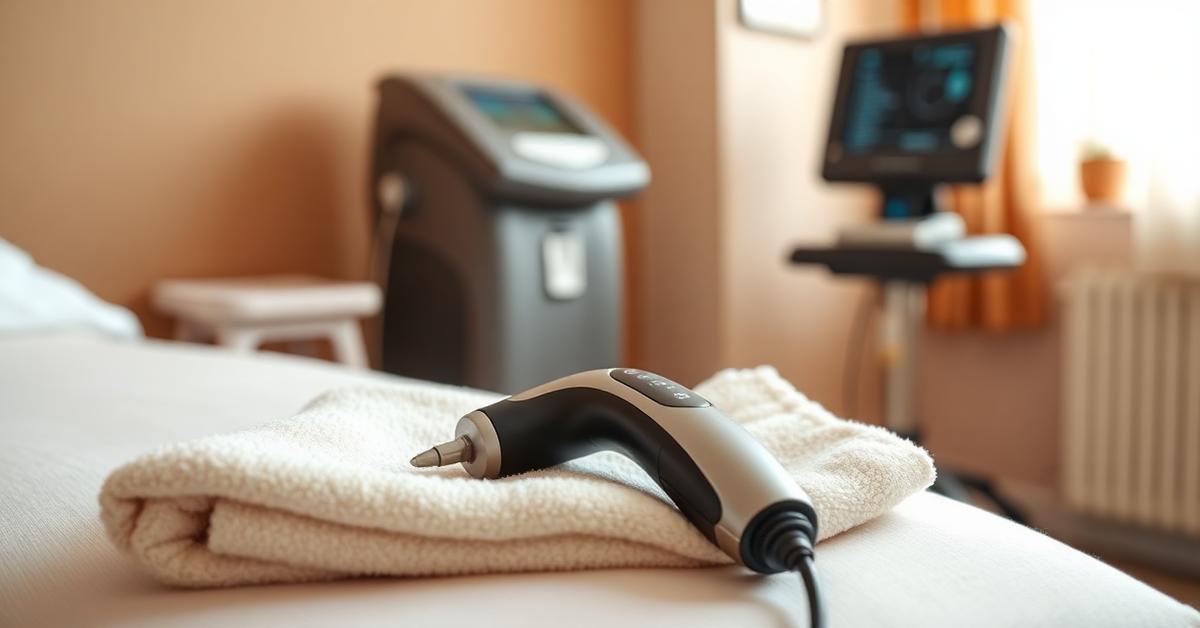
Energy therapy: ultrasound, radiofrequency, shockwave and manual therapy
Bong Bong Wellness Clinic's energy therapy combines four modalities — ultrasound, radiofrequency, shockwave and manual therapy — to restore injured muscle and tissue while releasing congestion and supporting detox. The clinic states it suits chronic pain and accumulated muscle fatigue and is often paired with Basic Cell therapy to speed tissue recovery. Each modality works at a different depth, so selection follows the site and nature of the symptom rather than applying all four identically every time.
NK-cell activation and immunity in the reverse-ageing programme
Bong Bong's clinic-introduction page mentions reverse ageing as combining several technologies, including NK-cell activation therapy, to restore immunity and help the body feel younger and stronger. NK cells are innate immune cells that clear infected or abnormal cells without needing prior sensitisation, and it is well established in the scientific literature that NK-cell number and function tend to decline with age. However, Bong Bong's page gives no detail on the specific method or protocol used to activate NK cells, so anyone interested should ask the clinic directly about method, frequency, and how results are measured before deciding.
High-intensity magnetic pulse therapy in Bong Bong's programme
Bong Bong's clinic-introduction page states its reverse-ageing concept combines three advanced technologies — Basic Cell therapy, high-intensity magnetic pulse therapy, and NK-cell activation — to restore cellular and immune function toward a younger, stronger state. High-intensity magnetic pulse technology is widely used in physical therapy to stimulate muscle and nerve tissue without direct skin contact, but Bong Bong's page does not specify the target sites or exact indications for its programme, so ask the clinic directly before deciding.

First-line immunity: exercise, nutrition, circulation — and where a clinic fits in
Before vaccines or any procedure, the body needs a strong first line of immune defence built from regular exercise, balanced nutrition, healthy blood and lymph flow, and adequate sleep. Bong Bong Wellness Clinic frames every programme, from lymphatic care to stem cells, around that foundation — not as a replacement for it.
Knee pain without surgery: the stem cell and targeted-injection route at Bong Bong
People with chronic knee pain from mild-to-moderate osteoarthritis who want to avoid joint replacement often look for non-surgical options. Bong Bong hospital publishes educational clips on Basic Cell knee injections — roughly 100 million autologous fat- or blood-derived cells per session — as one such path, but joint damage severity must be assessed first, since advanced degeneration may not suit this approach.
Chronic pain, shockwave and energy therapy: how they pair with Basic Cell
Chronic pain before a big event — neck, shoulder, back — often comes from soft-tissue inflammation built up by repetitive posture. Bong Bong Wellness Clinic's energy therapy programme combines ultrasound, radiofrequency, shockwave and manual therapy to release congestion and stimulate circulation, sometimes paired with Basic Cell to speed tissue recovery. Pain from nerve compression must be diagnosed separately before starting any programme.
 Bong Bong Wellness
Recovering after surgery with Bong Bong's wellness programmes (swelling, bruising, tissue repair)
After aesthetic surgery or major procedures, swelling, bruising and inflammation are normal in the first weeks. Bong Bong Wellness Clinic's whole-body lymphatic care and IV nutrient therapy programmes are designed to support drainage and reduce inflammation, and can supplement recovery — but must always be coordinated with the original surgeon, particularly on the safe timing to begin.
 Bong Bong Wellness
UV exposure and skin ageing: cause-based care with layered skin treatment
UV radiation is the leading cause of visible skin ageing — pigmentation, wrinkles, sagging — because it progressively breaks down collagen and elastin in the dermis. Bong Bong hospital publishes a clip explaining this mechanism and offers layered skin care, matching devices to the layer actually damaged rather than using one tool for everything, while stressing that sun protection remains the more important first-line measure over any later correction.
 Bong Bong Wellness
Why Bong Bong bundles Basic Cell with HBOT, circulation and lymph care instead of standalone sessions
Bong Bong Wellness Clinic typically recommends pairing Basic Cell with hyperbaric oxygen therapy (HBOT), negative-pressure circulation care and lymphatic care, rather than Basic Cell alone. The reasoning: injected cells need oxygen and good circulation to function and distribute fully, while the lymphatic system clears waste generated during tissue repair's inflammatory phase. The combination is meant to let each element reinforce the others rather than working in isolation.

From first consultation to treatment day: what gets checked and how to prepare
Considering a Basic Cell programme at Bong Bong Wellness Clinic generally starts with a doctor's consultation to assess symptoms and goals, followed by telomere testing (a genetic marker of cellular ageing) and any necessary baseline health checks. The doctor then plans a course, which may include same-day blood or fat sampling using the clinic's blood-based cell kit — allowing some cases to complete treatment in a single day, though every step still requires medical evaluation first.

A Thai patient's guide to Bong Bong: language, getting to Gangnam, documents and trip planning
Bong Bong hospital is located at 657 Nonhyeon-ro in Gangnam, Seoul, reachable via Subway Line 7 and Line 9, Exit 4. It opens Monday–Friday 10:00–19:00 and Saturday 10:00–15:00. Thai patients planning a visit should contact the clinic in advance about interpretation, required documents, and how long to allow in Seoul, since some programmes need multiple days of follow-up.

Safety, possible side effects and limitations to know before deciding (including Korea's cell-therapy legal framework)
Even though Basic Cell therapy mainly uses the patient's own cells, it still carries the baseline risks of any injection procedure — swelling, bruising, injection-site pain, and in some cases infection risk if not performed to proper standards. South Korea regulates cell therapy through the Ministry of Food and Drug Safety (MFDS) and dedicated cell and gene therapy law. Patients should ask the clinic directly what approval or oversight category their specific programme falls under, rather than assuming.

Planning budget and timeline without guessing prices: the cost structure and questions to ask
This article does not state any price figure for programmes at Bong Bong Wellness Clinic, because cost depends on individual assessment, the number of sessions needed, and which add-on programmes are chosen. What can be done is understanding the general cost structure — consultation, pre-treatment testing, the core procedure, add-on programmes, and follow-up — then requesting a written quote directly from the clinic before booking travel.
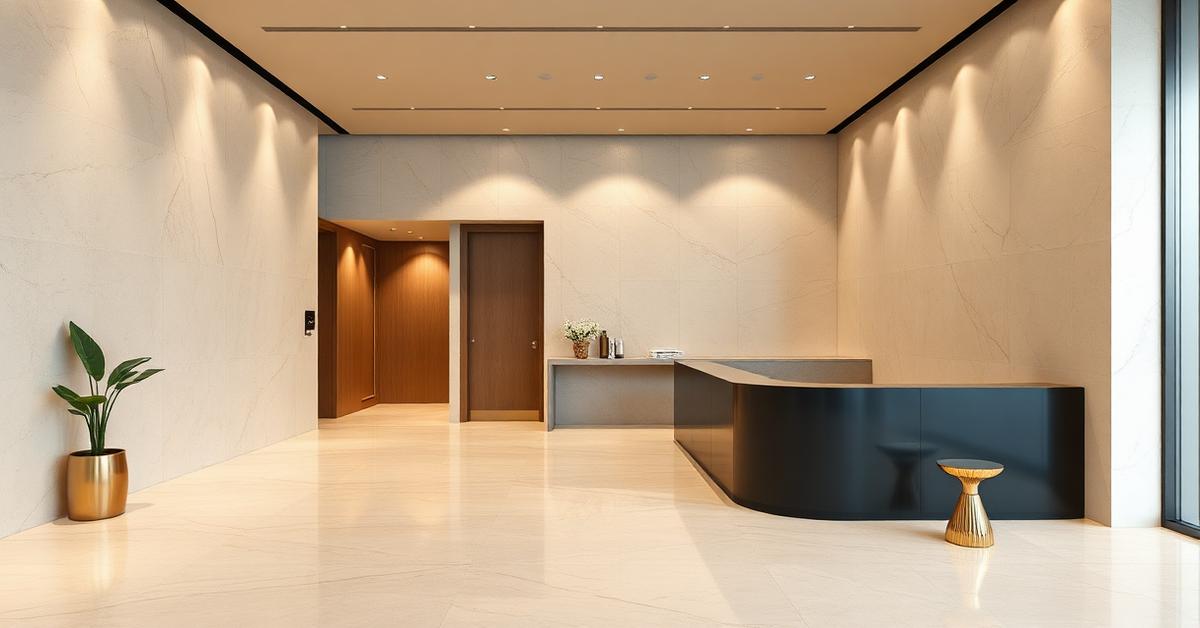
Cellora Gu Clinic: the Gangnam stem cell and advanced regenerative medicine clinic
Cellora Gu Clinic (셀로라) is an advanced regenerative medicine clinic in Gangnam, Seoul, running under the slogan CELL TO AURA. It offers functional-medicine diagnostics, stem cell, exosome and NK cell therapy alongside aesthetic care, and was designated an advanced regenerative medicine institution by Korea's Ministry of Health and Welfare in March 2025.

What is RE:NEW-AGING? Inside Cellora Gu Clinic's flagship package
RE:NEW-AGING is Cellora's flagship package, linking functional-medicine testing, stem cell / exosome / NK cell therapy and face-and-body procedures into a single path. Session one diagnoses and treats; session two focuses on recovery and maintenance with hyperbaric oxygen, Hemapure care and individually prescribed IV drips and supplements.

Advanced regenerative medicine designation: why Cellora Gu Clinic's status matters
Cellora states it was designated an advanced regenerative medicine institution (첨단재생의료 실시기관) by Korea's Ministry of Health and Welfare in March 2025, and that it is one of only 20 clinic-level institutions nationwide meeting the facility, equipment and staffing criteria required to perform advanced stem cell procedures legally.
The Cellora Gu Clinic medical team behind its stem cell and functional care
Cellora states its doctors handle each guest 1:1 from consultation through procedure to follow-up. Dr. Na Yun-chae (나윤채), former head of the stem cell centre at Chaum (CHA Biotech), works on its stem cell side, while director Dr. Park Ki-beom (박기범) has disclosed that he and his family have received stem cell treatment themselves.
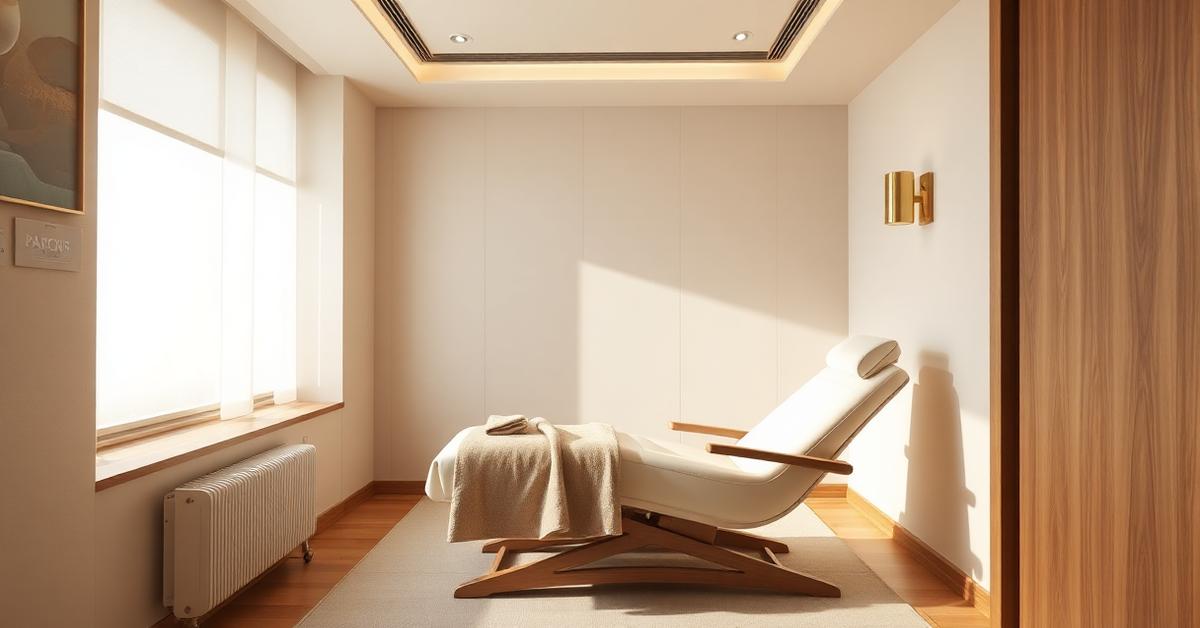
Private rooms and the Garden Suite: the Cellora Gu Clinic patient experience
Cellora arranges its floors as private zones: the 11th and 15th floors run continuously from reception to treatment, while the 16th-floor Garden Suite is given over to a single guest. Each guest stays in one private room for consultation, procedure and recovery, cutting room changes, noise and waiting time.

Why Cellora Gu Clinic takes only seven guests a day
Cellora caps reservations at seven guests per day under its personalized-care principle, so that 1:1 consultation, functional-test interpretation and stem cell planning stay genuinely individual rather than packaged. The trade-off is that guests must book ahead and the schedule is less flexible than at a high-volume clinic.

Cellora Gu Clinic's MOU with MEDIPOST and what it means for patients
Cellora states it has signed a memorandum of understanding with MEDIPOST, developer of the stem cell drug Cartistem and a company with more than 20 years of cell-culture technology, describing it as the company's first MOU with a clinic of this kind. The relevance for patients lies in cell processing and culture quality.
 Cellora
Cellora Gu Clinic's Konkuk University research link: why academic backing matters
Cellora states it conducts joint research with a regenerative medicine team at a Konkuk University institute to refine protocols and design treatment from real clinical data. Academic linkage lets choices about cell type, dose and treatment intervals rest on data rather than a single physician's personal experience.

Your first visit to Cellora Gu Clinic: the five-step service flow
Cellora structures the visit into five steps: Reserved (booking through a concierge with the space prepared for you), Scanned (detailed testing in a dedicated screening suite), Settled (consultation, procedure and recovery in one private room), Holistic Care (doctors coming to you 1:1 to set the plan) and Restored (aftercare such as hyperbaric oxygen therapy).
 Cellora
CELL CHECK at Cellora Gu Clinic: the diagnostic baseline before stem cell therapy
CELL CHECK is Cellora's diagnostic baseline, split into three groups: cell function balance, cellular ageing and genetic function. Together they determine which stem cell type to use, at what dose, and what supporting care is needed — so the plan rests on data rather than guesswork.

Cell function balance testing at Cellora: detox, energy, hormones and immunity
Cellora's cell function balance panel covers six axes: detoxification, energy metabolism, hormone balance, neurotransmitters, immunity and autonomic regulation. Together they identify which system is producing symptoms such as chronic fatigue or insomnia before any decision on stem cell therapy and supporting care.
Cellular ageing testing at Cellora: ageing speed, damage and recovery capacity
Cellora's cellular ageing test evaluates three dimensions: ageing speed, accumulated cellular damage and recovery capacity. The results show whether biological age is running ahead of chronological age and provide the baseline for choosing a stem cell approach and setting a retest interval.

Genetic function testing at Cellora: nutrients, hormones and inflammatory markers
Cellora's genetic function test examines nutrient status, hormones and inflammatory markers to set treatment direction and individual supplementation. It is read together with the cell-balance and cellular-ageing results before decisions on stem cell type, dose and the post-treatment maintenance programme.
Hair mineral analysis at Cellora: what it can and cannot tell you
Hair mineral analysis is one of the CELL CHECK panels Cellora uses to gauge longer-term mineral and heavy-metal load. It is read alongside blood work and urine organic acids to plan detoxification and supplementation before stem cell therapy — not as a stand-alone diagnosis.
Urine organic acid testing at Cellora: reading metabolism at cell level
Urine organic acid testing is one of Cellora's CELL CHECK panels. It reads metabolic by-products to assess mitochondrial energy production, gut microbial balance and B-vitamin utilisation — data that helps explain chronic fatigue or brain fog and guides supplementation before stem cell therapy.

Gut microbiome testing at Cellora: why the gut matters for cell-level renewal
Gut microbiome testing is one of Cellora's CELL CHECK panels, assessing the microbial profile that shapes inflammation, immunity and nutrient absorption. An imbalanced gut can sustain chronic inflammation and create an environment that works against tissue recovery after stem cell therapy.

Adrenal and autonomic testing at Cellora: when accumulated stress becomes physical
Cellora includes adrenal function and autonomic balance in the CELL CHECK panel to judge how far symptoms such as chronic fatigue, insomnia, palpitations or slow recovery are driven by the stress response. The findings decide whether stress and sleep should be addressed first or alongside stem cell therapy.
Delayed allergy testing at Cellora: could everyday food be feeding inflammation?
Delayed allergy testing is one of Cellora's CELL CHECK panels, used to flag foods that may correlate with chronic complaints such as bloating, reactive skin or fatigue. It differs from immediate allergy testing and should be treated as a starting point for supervised dietary trials, not a permanent banned list.

The RE:NEW-AGING package at Cellora: a two-session path from testing to maintenance
RE:NEW-AGING is Cellora's flagship package, split into two sessions. Session one runs the three functional-medicine panels and then delivers the chosen stem cell, exosome or NK cell therapy alongside face-and-body procedures. Session two covers recovery with hyperbaric oxygen and Hemapure circulation care, followed by a maintenance programme of IV drips and supplements prescribed from the session-one results.

The DEEP INNER line at Cellora: sleep, hormones, immunity and energy
DEEP INNER is Cellora's internal-health line, grouped by problem area — sleep and hormones, detox and immunity, vitality and energy — combining functional diagnostics, nutrient therapy and stem cell treatment according to each person's results.
NK cell therapy at Cellora: the role of natural killer cells in immune programmes
Cellora offers NK (natural killer) cell therapy alongside stem cells and exosomes. NK cells are immune cells that detect and clear abnormal cells, unlike stem cells whose emphasis is repair and tissue modulation. Which is used depends on the goal and each person's immune test results.
Exosomes at Cellora: how they differ from stem cells and when they are used
Cellora offers exosome therapy alongside stem cells and NK cells. Exosomes are tiny vesicles cells release to communicate and send signals — they are not living cells — so they are typically used where signalling to tissue is the point, such as skin work and post-procedure recovery.
 Cellora
FACE & BODY at Cellora: aesthetics built on cell-level care
FACE & BODY is Cellora's aesthetic service family covering facial and body care, positioned as an extension of functional diagnostics and cell-level care under the CELL TO AURA idea that internal condition determines how durable external results are.
Personalised IV nutrition at Cellora: how the formula is built from test data
Cellora delivers IV vitamins and nutrients in session two of RE:NEW-AGING, with the formula built from each person's nutrient status, hormone and inflammatory marker results. The aim is to prepare an internal environment that supports stem cell activity rather than applying one standard drip to everyone.
Cell collection and culture at Cellora's stem cell centre
Cellora operates a stem cell centre in an annex building separate from its main service floors, and states that functional test results are used to identify when the body is in its best condition before cells are collected for culture — the premise being that harvested stem cell quality reflects the body's state on collection day.

One-to-one consultation and seven guests a day at Cellora: what it means in practice
Cellora states it accepts a maximum of seven guests per day with one-to-one consultation. The model gives the physician more time per person to read results and design an individual stem cell plan, at the cost of requiring advance booking and offering less scheduling flexibility than a large clinic.

The Cellora treatment journey from day one to follow-up
The Cellora journey runs from consultation and CELL CHECK testing, to reading results and planning, to cell collection and preparation at the right moment, then stem cell administration with individualised nutrition, and finally follow-up and a maintenance programme — designed as a continuous process rather than a single procedure.
What are stem cells? The basics before treatment at Cellora Gu Clinic
Stem cells are precursor cells able to renew themselves and, to a degree, become other cell types. In the regenerative medicine Cellora provides, they are used to support tissue repair and modulate the tissue environment — not to replace organs or guarantee age reversal.
Mesenchymal stem cells explained: why MSCs anchor regenerative programmes
Mesenchymal stem cells (MSCs) are adult stem cells found in bone marrow, adipose tissue and umbilical tissue. Their strengths are modulating immune activity and secreting repair-supporting factors, which is why they anchor the regenerative and anti-ageing programmes at clinics including Cellora.
 Cellora
Autologous versus donor cells: the difference in Korean clinic treatment
Stem cell treatment divides by source into autologous and donor-derived. Autologous cells minimise compatibility concerns but their quality tracks the owner's age and health; donor cells are more consistent but sit under stricter regulation. Guests at Cellora should confirm which their plan uses.
 Cellora
Biological age versus real age, and how Cellora uses the difference
Biological age reflects how cells and systems are actually functioning and can differ from calendar age. Cellora uses cellular ageing testing within CELL CHECK to set a baseline before stem cell therapy and to compare before and after during maintenance — but a single number should never be read as a life-expectancy forecast.
 Cellora
Chronic inflammation and stem cell outcomes: why it is addressed first
Chronic low-grade inflammation keeps the body in a continuous response mode that works against tissue repair. Cellora therefore measures inflammatory markers in CELL CHECK before planning stem cell therapy, since a highly inflamed environment can blunt the regenerative result.
 Cellora
Who is and is not suitable for stem cell treatment at Cellora
Those most likely to benefit from Cellora's programmes are people with chronic functional complaints — fatigue, insomnia, slow recovery — who want a test-led approach. Extra caution applies to patients in active cancer treatment, those on immunosuppressants, anyone with a serious infection and pregnant women, all of whom must consult their treating physician before considering stem cell therapy.
Safety and risks in stem cell treatment: what to ask before consenting
Risk in stem cell treatment arises at several points: the collection procedure, the culture process, contamination, the route of administration and inadequate patient screening. Before consenting at any clinic, including Cellora, request written information on cell source, laboratory standards, possible adverse effects and the contact route if problems occur.

Setting realistic expectations for stem cell treatment in Korea
A realistic expectation from stem cell therapy in a wellness context is support for recovery, sleep quality, energy and skin condition — with results varying between individuals and depending on continued self-care. It is not a substitute for standard medical treatment nor a guarantee of age reversal.

CELL TO AURA: the Cellora philosophy linking inner health and outer presence
CELL TO AURA is Cellora's slogan and philosophy: outward presence is the result of the condition of cells within. It dictates the clinic's service order — functional diagnostics first, then cell-level care including stem cell therapy, and only then skin and body work.

A Thai guest's guide to stem cell treatment at Cellora Gu Clinic
Thai guests planning stem cell care at Cellora should contact the clinic well in advance to secure an appointment, since it accepts a maximum of seven guests a day. Prepare your medical history, medication and supplement list and recent test results, confirm the timeline you must spend in Korea, and agree a follow-up channel before you travel.

Questions to ask any stem cell clinic before deciding, Cellora included
Before choosing stem cell treatment, cover five question groups: provider credentials and regulatory status; cell source and laboratory standards; risks and adverse-event handling; outcome measures and follow-up; and cost transparency. Written answers are the mark of a transparent provider.
Cellora in Gangnam: getting there and where to stay
Cellora is located in Gangnam-gu, Seoul, the district that concentrates Korea's aesthetic and regenerative medicine providers. It uses floors 11 and 15 plus a 16th-floor private suite, with an annex housing the stem cell centre. Confirm the address and appointment time directly with the clinic, as daily capacity is limited.

Preparing your body before Cellora stem cell treatment, starting at home
Cellora states it uses functional test results to find the body's best window before cell collection, so preparation should start before travel: adequate sleep, less alcohol, no smoking, controlled diet, and full disclosure of medication and supplements — all of which affect both stem cell quality and test accuracy.

Aftercare and follow-up once you return home from stem cell treatment
After stem cell treatment at Cellora, follow aftercare instructions closely, keep the treatment summary, track symptoms against the measures agreed with the physician, maintain sleep and nutrition, and inform your doctor in Thailand — the maintenance portion of RE:NEW-AGING session two is designed for exactly this phase.

Budgeting for stem cell treatment at a Korean clinic
Stem cell treatment in Korea has several cost components: functional diagnostics, cell preparation and administration, nutrient and supporting care, follow-up and retesting, plus travel and accommodation. Request a clearly itemised quotation from Cellora — or any clinic — before deciding.

How Cellora differs from other Korean stem cell clinics
What distinguishes Cellora from other Korean stem cell clinics is making CELL CHECK functional diagnostics the mandatory entry point of every programme, capping capacity at seven guests a day, and operating a separate annex stem cell centre. When comparing providers, use criteria like these: diagnostic process, daily capacity, laboratory standards and follow-up systems.

Women, hormones and sleep at Cellora: from cycles to menopause
Cellora's sleep-and-hormone programme is designed for chronic fatigue, insomnia, irregular cycles and menopausal symptoms. It begins with hormone, autonomic and inflammatory testing before any care plan, which may include stem cell therapy and individualised nutrient support.

High-workload professionals and Cellora's vitality and energy programme
Cellora's vitality-and-energy programme targets people with heavy workloads and accumulated fatigue, beginning with energy metabolism, adrenal function and autonomic balance testing before designing care that may include individualised nutrients and stem cell therapy.


Which one fits you? Compare every provider
Each provider uses a different technique — cultured MSC targets chronic disease, while autologous SVF focuses on recovery in a single day. Pick a topic below to compare just what matters to you.
Build your own comparison| Topic | EHL Bio HospitalCultured MSC therapy from a GMP Class 100 facility, focused on chronic disease. | Cheongdam The CellSame-day autologous SVF from your own fat, focused on recovery and healthy aging. | Bong Bong Wellness ClinicBasic Cell therapy combined with whole-body wellness programmes for reverse aging and immunity. | Cheongdam Cell ClinicSame-day autologous bone-marrow stem cells without culturing, focused on chronic disease and whole-body recovery. | Cellora of GUGovernment-designated advanced regenerative medicine combining functional testing, stem cells and aesthetics in one package. |
|---|---|---|---|---|---|
| Cell type | Cultured MSC (fat, marrow or cord) | Autologous SVF (fresh mixed cells from fat) | Basic Cell from own fat, own blood and donor fat | Autologous bone-marrow stem cells, not cultured | Five options: blood, marrow, adipose, exosome (Narosome) and NK cells |
| Signature programmes | Disease-specific lines: ADSTEM, KDSTEM, RASTEM, PDSTEM | Body recovery, skin, hair, knee and post-op programmes | Basic Cell courses blended with HBOT, circulation, lymphatic care and IV | Four programmes: 活CELL, 性CELL, 美CELL and vitality care | RE:NEW-AGING, Cell Check, Deep Inner Care and Face & Body Care |
| Culture step | Yes — 3–4 weeks of expansion | No — separated and injected the same day | Both a same-day kit route and in-house lab preparation | No culturing — cells are used on the same day | Both same-day and cultured routes, depending on the cell type chosen |
| Cell dose | High and precisely dosed per vial | Depends on the fat volume and each body | Around 100 million cells per session, per the clinic | Depends on the marrow volume collected that day | Set individually after functional testing results |
| Pre-treatment testing | Disease-specific work-up and cell suitability review | Basic screening on the same day before liposuction | Whole-body assessment to design the combined course | Health check and chronic-disease review before marrow harvest | Cell Check — deep functional testing before designing the plan |
| Harvesting | One tissue harvest, then lab processing | Small local liposuction under local anesthesia | From the patient's fat or blood, depending on the programme | Bone-marrow aspiration at the hip under local anesthesia | Cell source chosen with the plan — blood, marrow or fat |
| Visits required | At least 2 (harvest day, infusion day) | Single 3–5 hour visit | Depends on the course; typically planned as 3–4 sessions | One visit — harvest and infusion the same day | Usually 1–2 visits; only seven guests a day, all steps in one private room |
| Delivery | IV infusion or targeted injection by disease | IV, knee, facial or scalp injection | Lesion-targeted injection plus circulation and lymphatic support | IV or targeted injection according to the chosen programme | IV or targeted injection, bundled with skin and facial care in one package |
| Primary goal | Chronic disease: kidney, knee, arthritis, neuro | Recovery, healthy aging, skin, hair, post-op | Reverse aging, immunity, chronic pain and skin | Chronic conditions such as hypertension, diabetes, arthritis and healthy aging | Inside-and-out anti-aging guided by functional test results |
| Best for people who | Have a defined diagnosis and can plan ahead | Have a short Korea trip and want overall recovery | Want whole-body wellness delivered as a course | Prefer their own cells and want to finish within one trip | Want high privacy and one place for both stem cells and aesthetics |
| Total timeline | About one month from harvest to infusion | Completed within one day | A multi-session course over an individually planned period | Completed within one day | Testing, planning and treatment across roughly 1–2 days per package |
| Cost structure | Higher — includes culturing and lot-by-lot QC | Lower per session — no culturing step | Priced by programme mix — always request a written quote | Priced by programme — request a quote before travelling | Bundled package (testing + cells + skin care) — ask for a line-by-line breakdown |
| Cell banking | Expanded cells can be banked for later rounds | Partial banking possible, but designed for same-day use | Ask the clinic case by case | Designed for same-day use; ask about banking case by case | Ask according to the cell type in your plan |
| Lab standard | GMP Class 100 with sterility and QC per lot | Huricell closed system limits contamination | The clinic's own Basic Cell lab, running for 10+ years | Closed in-clinic preparation with immediate same-day use | Ministry-designated advanced regenerative institution (Mar 2025) with a dedicated stem cell annex |
| Risks to discuss | Two trips, and culture success is not guaranteed | Small liposuction site; 2–3 days of swelling | Injection-site effects and limited evidence for some programmes | Soreness at the marrow site and person-to-person variation in results | Limited daily slots require advance booking; confirm exactly what the package covers |
Related reading
- Stem cellEHL Bio Hospital: Korea's adult stem cell centre with its own research institute and GMP labsEHL Bio Hospital (㈜이에이치엘바이오) is a Korean hospital specialising in adult stem cell therapy, founded in 2012. What sets it apart from ordinary stem cell clinics is that the hospital runs its own research institute in Uiwang, Gyeonggi-do and its own international-standard laboratories: two in-house GMP plants culturing more than 6,000 lots a year in CLASS 100 clean rooms, inspected by Korea's MFDS and holding a CPC licence from Japan's Ministry of Health, Labour and Welfare. Patient care centres on the EHL Cell Center at 136 Apgujeong-ro in Gangnam, Seoul. Core technology is autologous adipose-derived stem cells, behind a four-drug pipeline: ADSTEM for atopic dermatitis (Phase 3 IND filed in 2024), KDSTEM for chronic kidney disease (Phase 1 from 2023), RASTEM for rheumatoid arthritis (preparing Phase 1) and PDSTEM for Parkinson's disease (preclinical). It also produces EHL-STEM conditioned media with an internationally registered INCI name, works on NK, T, dendritic and iNKT immune cells and exosomes, and publishes 11 patent filings, alongside a network of roughly 100 partner hospitals in Korea and 50 overseas.
- TreatmentUrine-derived stem cells (USC): how they are collected, cultured and studied for kidney diseaseUrine-derived stem cells are urothelial-lineage cells shed naturally into urine that can be expanded into cells with mesenchymal stem cell-like properties. Their advantage is fully non-invasive collection — just a urine sample taken to protocol. Korean research turned them into KDSTEM inj. for chronic kidney disease, still in clinical development.
- Stem cellEHL Bio: the Korean stem cell hospital with its own research company and GMP labEHL Bio is a Korean stem cell medical group that combines three things: a treating hospital, a bio research institute founded in 2012, and its own international-standard GMP laboratory able to culture over 6,000 cell lots per year. Its edge is proprietary technology for isolating and expanding a patient's own adipose-derived stem cells, plus a clinical pipeline of cell drugs including ADSTEM, KDSTEM, RASTEM and PDSTEM.
- TreatmentThe Klotho protein and kidney regeneration: why Korean research focuses on itKlotho is produced mainly in the kidney and acts as an antioxidant, anti-senescence, pro-angiogenic and phosphate-regulating protein. Its levels fall early in chronic kidney disease. Korean cell therapy research such as KDSTEM inj. therefore selects cells expressing high Klotho, on the hypothesis that they reduce oxidative stress and renal fibrosis.
Knowledge articles in this category
Explainers, comparisons and guides for this category — not provider profiles.
Popular questions
See all questionsHow is ARMT different from a clinical trial?
A clinical trial is research to gather evidence. ARMT (Advanced Regenerative Medicine Treatment) is a treatment category where an institution files a plan, obtains approval and treats real patients under statutory conditions.
Stem cellKorea's Stem Cell Law: From Research to Treatment Under the Advanced Regenerative Bio ActWhat kind of clinic is Cellora Gu Clinic?
Cellora of GU is an advanced regenerative medicine clinic in Gangnam, Seoul, designated by Korea's Ministry of Health and Welfare as an advanced regenerative medicine institution in March 2025. It combines functional-medicine diagnostics, stem cell, exosome and NK cell therapy, and aesthetic treatment in a single path.
Stem cellHigh-workload professionals and Cellora's vitality and energy programmeWhat should be tested first with limited time?
Let the physician choose based on your dominant symptoms and history. Generally, screening for common causes — anaemia, thyroid disease and sleep quality — comes before more detailed functional testing.
Stem cellHigh-workload professionals and Cellora's vitality and energy programmeDoes IV vitamin therapy fix fatigue immediately?
Some feel better short-term, but where the cause is chronic under-sleeping or sustained stress, the effect rarely lasts. Addressing root causes alongside test-guided care is more durable.
Stem cellHigh-workload professionals and Cellora's vitality and energy programmeWhat kind of clinic is Cellora Gu Clinic?
Cellora of GU is an advanced regenerative medicine clinic in Gangnam, Seoul, designated by Korea's Ministry of Health and Welfare as an advanced regenerative medicine institution in March 2025. It combines functional-medicine diagnostics, stem cell, exosome and NK cell therapy, and aesthetic treatment in a single path.
Stem cellWomen, hormones and sleep at Cellora: from cycles to menopauseWhat should be tested first for irregular cycles?
Begin with a gynaecological assessment for common causes — thyroid disease, polycystic ovary syndrome, stress and weight change — before adding functional testing.
Stem cellWomen, hormones and sleep at Cellora: from cycles to menopause
Popular questions on Korean surgery, skin clinics, travel, culture and daily life — each with a short, direct answer.
Related articles
- HeightDr. Donghoon Limb Lengthening Institute (DALRI)Dr. Donghoon Advanced Limb Lengthening & Reconstruction Institute (DALRI) in Seongnam, Gyeonggi-do specialises in stature lengthening, bowleg and knock-knee correction, leg length discrepancy and revision surgery, led by Dr. Lee Dong Hoon — the first surgeon in Asia to complete PRECICE nail lengthening.
- InjectablesSofiderm explained: brand profile, how long results last, and Thailand vs Korea pricingSofiderm is a biostimulator / skin booster from JIWOON Medical (South Korea). a Korean injectable line with HA and skin-quality models depending on market authorisation Results typically last 6–12 months by model. Reference pricing is about 6,000–14,000 บาทต่อ 1 cc per 1 cc in Thailand versus roughly 3,500–8,000 บาทต่อ 1 cc per 1 cc in Korea. average gap 35–45% Registration: Thailand — Not verified; Korea — Not verified.
- InjectablesProfhilo explained: brand profile, how long results last, and Thailand vs Korea pricingProfhilo is a biostimulator / skin booster from IBSA (Italy). high-concentration HA designed for tissue distribution and skin quality rather than a discrete lump Results typically last 6–9 months after the full protocol. Reference pricing is about 12,000–24,000 บาทต่อครั้ง per 1 cc in Thailand versus roughly 8,000–16,000 บาทต่อครั้ง per 1 cc in Korea. average gap 25–35% Registration: Thailand — Not verified; Korea — Not verified.
- InjectablesRejuran explained: brand profile, how long results last, and Thailand vs Korea pricingRejuran is a biostimulator / skin booster from PharmaResearch (South Korea). salmon-derived polynucleotides positioned as a skin booster for skin quality, not structural filler Results typically last 3–6 months per course. Reference pricing is about 8,000–18,000 บาทต่อครั้ง per 1 cc in Thailand versus roughly 5,000–12,000 บาทต่อครั้ง per 1 cc in Korea. average gap 30–40% Registration: Thailand — Not verified; Korea — Not verified.
- SurgeryVIEW Plastic SurgeryVIEW Plastic Surgery is a Seoul hospital with its own building in Sinsa, Gangnam, covering facial contouring, two-jaw surgery, eyes, nose, breast, anti-aging, body contouring and dermatology. Its surgeons appeared on ‘Let Me In’ seasons 2–5 and a Thai-speaking coordinator team supports patients throughout.
- HeightHeight surgery reviews 2026: real before & after cases from DALRIReal height-surgery reviews from the Dr. Donghoon institute (DALRI) in South Korea show gains of roughly 5–6.5 cm per lengthened segment. Most cases lengthen the tibia with LON or PRECICE and are followed with radiographs from six months to over two years post-op. Every figure here comes from the hospital's own published captions, not an estimate.