Quick answer
SVF for muscle recovery aims to reduce post-exertion inflammation, improve perfusion in injured tissue and support tendon and muscle repair. Cheongdam The Cell places this in its regenerative recovery track alongside physiotherapy and adjuncts such as the oxygen chamber and cryotherapy. Realistic expectations are faster recovery and less pain — not performance beyond an athlete's baseline.
Hypovascular tendon and muscle tissue
Slow-healing tendon and muscle injuries often sit in naturally hypovascular tissue — the mid-Achilles, parts of the rotator cuff. Stimulating angiogenesis there is biologically reasonable, but structured rehabilitation is still required so new tissue aligns to the loads it must carry.
Cells for quality, load for alignment
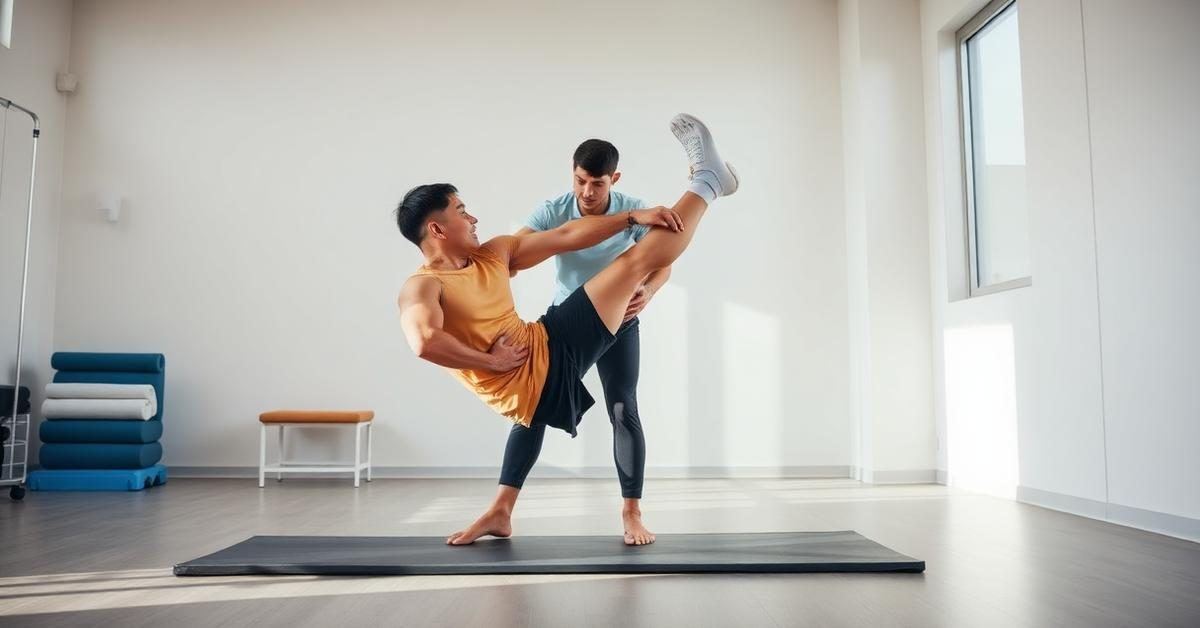
The rehabilitation principle: cells influence tissue quality, controlled load influences tissue organisation. Injecting and then resting completely is a poor plan; effective programmes reintroduce loading and eccentric work on a physician-set schedule.
Finding the mechanical cause
For recreational athletes with recurrent injury, screen the mechanical cause too — strength imbalance, running mechanics, unsuitable footwear — because repairing tissue without correcting the cause usually leads back to the same injury.
Metrics that track real progress
Track concrete measures: pain under load, the training volume tolerated symptom-free, and side-to-side strength testing. Those show progress far better than how you feel on a good day.
Last updated: 2026-08-28 · This content is for information only and is not medical advice. Consult a qualified doctor before making treatment decisions.