Gangnam, Seoul · SVF & regenerative medicine
Banobagi Plastic Surgery — SVF stem cell therapy
Skin repair, anti-ageing and immune support using your own cells, in Gangnam, Seoul
- Cell types in SVF
- 5
- Blood SVF survival
- 96.7%
- Treatment steps
- 4
Quick answer
Banobagi Plastic Surgery (바노바기성형외과) in Gangnam, Seoul, offers SVF therapy — stromal vascular fraction. The patient's own blood, fat and bone marrow are processed into a five-part cell preparation: SVF cells, growth factors, SDF-1α, white blood cells and platelets. It is then returned to the body for skin repair, anti-ageing, immune support and scar treatment. The published protocol runs in four steps, with cells prepared inside the hospital's own one-stop sterile cabinet. Banobagi reports a survival rate of 96.7 ± 2.32% for blood-derived SVF and 90.73 ± 2.35% for bone-marrow-derived SVF.

What is SVF, and what is in it?
SVF stands for stromal vascular fraction. It is not a single cell type but a mixture of five, drawn from the patient's own blood, fat and bone marrow. Banobagi states each type plays a different role and that they work as one package.

SVF cells
The core of the preparation. The clinic states these cells can integrate with any tissue or organ in the body, which is why they carry the repair work.
Growth factors
Promote cell division, growth and differentiation, supporting SVF cells as they specialise towards the target tissue.
SDF-1α
Acts as a homing signal, drawing SVF cells towards the area being treated.
White blood cells
Part of the immune system: they fight bacteria directly and help prevent infection at the treated site.
Platelets
Stop bleeding and release α-granules, which the clinic says help activate the stem cells in the same area.
Who is SVF treatment for?
Banobagi lists five cases, running from skin problems through immune support to scar treatment.
Case.01
Dry, damaged skin and skin conditions
People wanting to restore dry, damaged skin, including those with chronic skin conditions that topical care has not improved.
Case.02
Dull skin tone, fine lines and hair loss
Those looking to brighten skin tone, soften fine lines and address hair loss within the same course.
Case.03
Wanting to raise immunity
People aiming to support overall immune function, usually via intravenous therapy rather than localised injection.
Case.04
Wrinkles and deep folds from ageing
Skin that has lost elasticity with age, leaving wrinkles and deep folds that fillers or boosters only address temporarily.
Case.05
Burn and post-surgical scarring
Patients treating burn or post-operative scars through tissue regeneration.
What are the steps of SVF treatment?
- 1
STEP 1
One-to-one consultation
The doctor assesses skin condition, general health and goals one-to-one before deciding whether SVF is appropriate.
- 2
STEP 2
Planning the treatment with the doctor
Deciding the harvest source, number of sessions and target areas, with an explanation of risks and pre-treatment restrictions.
- 3
STEP 3
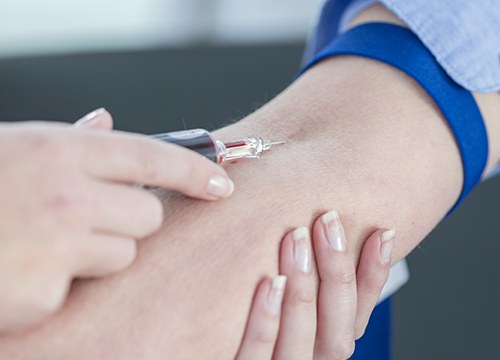
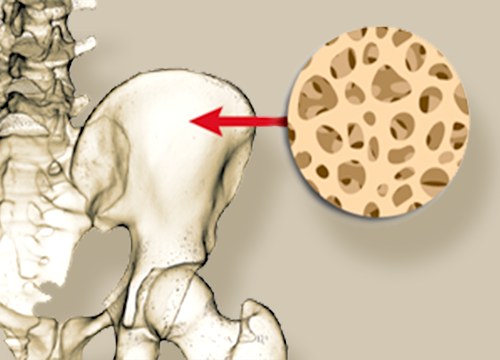
Blood and bone marrow collection
The team collects samples from the patient's own body — one reason the hospital keeps a resident anaesthesiologist on site.
- 4
STEP 4
Cell separation and concentration
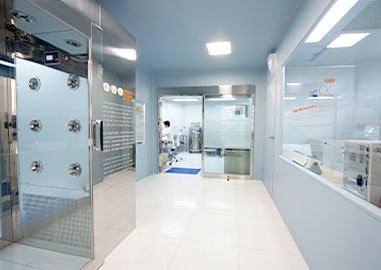
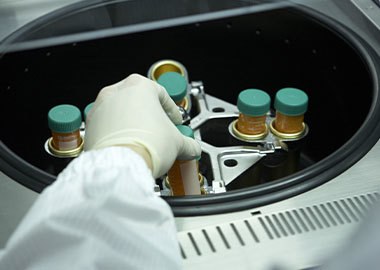
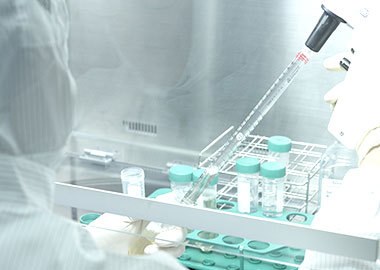
Samples enter the one-stop sterile cabinet for extraction, separation and concentration, then a cell count before the preparation is used.

The cell survival rates Banobagi reports
The clinic counts cells still alive after centrifugation and concentration from a standard 40 ml volume. Read these as hospital-published figures and ask for them to be confirmed at consultation.

Blood-derived SVF
SVF blood cells
96.7 ± 2.32%
Cell survival rate reported by the clinic, counted after centrifugation and concentration from a standard 40 ml volume.

Bone-marrow-derived SVF
Haematopoietic cells
90.73 ± 2.35%
These figures are published by the hospital itself, not drawn from peer-reviewed literature.
What Banobagi states sets its centre apart
The hospital runs a separate stem cell research centre with full-time biotechnology researchers on site. These are the five points it puts forward.

One-stop sterile cabinet
Extraction, separation and concentration happen inside one closed system, cutting the window in which cells are exposed to the outside environment — the point where contamination risk peaks.

An appropriate cell dose
After harvesting blood, fat and bone marrow, the clinic runs a cell count to confirm the yield is enough for treatment before moving on.

Cell quality management
Separated and extracted cells are handled systematically so they remain viable for transplantation, rather than simply numerous but degraded.

Stem cell storage system
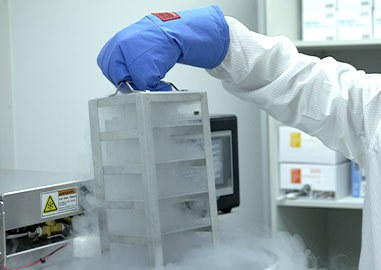
Storage technology analyses cells by type and purpose so they can be kept for future treatment.

Extraction with advanced cell counting
The clinic states its extraction system pairs with advanced cell-counting technology — the reason survival rates can be reported as statistics at all.
Cautions before and after treatment
Stop aspirin and medicated patches for at least two weeks
The clinic asks patients to avoid aspirin-type drugs and medicated plasters for at least two weeks around the treatment, as they may interfere with stem cell activity.
Muscle pain may follow the treatment
Some patients experience muscle pain afterwards depending on their condition; the clinic flags this in advance.
For significant pain, use a paracetamol-type painkiller
For strong pain the clinic recommends Tylenol-type painkillers (paracetamol), consistent with the instruction to avoid aspirin.
Tell the doctor about any herbal medicine
If you take herbal medicine or supplements, consult the doctor first — they can affect blood clotting and the treatment process.
The standards the hospital commits to
- Only certified medical devices are used.
- A resident anaesthesiologist is on site throughout opening hours.
- Surgery is performed under the named responsible surgeon — no ghost doctors.
- A 1:1 personal interpreter, with accommodation and parking support.
- Specialists split by field, plus a dedicated stem cell research centre with full-time biotechnology researchers on staff.

Video from the hospital's own channel
Published by the hospital's own Thai BANOBAGI channel. Tap to load.
Where is Banobagi and how do you get there?
- Address
- 517, Nonhyeon-ro, Gangnam-gu, Seoul
- Subway
- Yeoksam Station (Line 2) exit 6, 100 m straight ahead; or Eonju Station (Line 9) exit 7, 400 m.
- Mon–Fri
- 09:30–17:30
- Saturday
- 09:30–15:30
- Online consultation
- Mon–Fri 09:30–18:00
- Closed
- Closed Sundays and public holidays
- Thai-language contact
- 099-112-4777 · LINE @thaibanobagi
Key facts
- Zone
- Gangnam (Yeoksam)
- Nearest station
- Yeoksam, Line 2, exit 6
- Cell types in SVF
- Five types
- Blood SVF survival
- 96.7 ± 2.32%
- Marrow SVF survival
- 90.73 ± 2.35%
- Languages
- Korean, English, Thai
The first thing to understand is that SVF is not the name of one cell type but of a mixture obtained by centrifuging the patient's own tissue. Banobagi states each preparation carries five cell types with distinct jobs: SVF cells as the core, able to integrate with any tissue; growth factors driving division and differentiation; SDF-1α acting as a homing signal that pulls cells towards the treatment site; and white blood cells and platelets handling infection control and haemostasis in the same area.
What separates this page from most Seoul stem cell clinics is that the hospital publishes survival figures outright: 96.7 ± 2.32% for blood-derived SVF and 90.73 ± 2.35% for bone-marrow-derived SVF, both counted after centrifugation and concentration from a standard 40 ml volume. The numbers are useful for comparison but should be read carefully — they are hospital-published, not peer-reviewed.
The protocol runs in four stages: a one-to-one consultation, planning of harvest source and target areas, collection of blood and bone marrow, then separation inside the sterile cabinet. The advantage of a closed one-stop system is that it shortens the window in which cells meet open air — the riskiest moment for contamination. Before the preparation is used, the clinic counts the cells to confirm the yield is genuinely sufficient.
The clinic lists five suitable cases: dry, damaged skin and skin conditions; dull tone with fine lines and hair loss; those wanting stronger immunity; skin that has lost elasticity into deep age-related folds; and burn or post-surgical scarring. The first three usually end up on intravenous therapy, while the last two often add localised injection. Ask the doctor to be explicit about which format your plan uses and how many sessions it needs.
The cautions are the part Thai patients most often skip. Banobagi asks patients to stop aspirin-type drugs and medicated patches for at least two weeks before and after, as they may interfere with stem cell activity. Muscle pain can follow, depending on your condition; for significant pain use paracetamol rather than aspirin. If you take herbal medicine or supplements regularly, tell the doctor first.
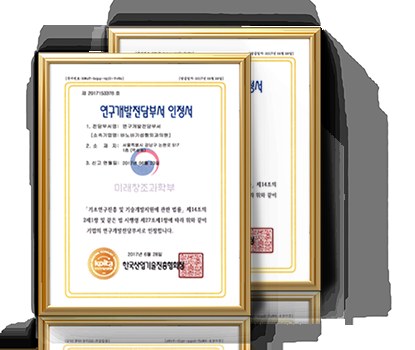
Structurally, Banobagi runs a separate stem cell research centre staffed by full-time biotechnology researchers, keeps a resident anaesthesiologist on site, states that surgery is performed under the named responsible surgeon, and provides 1:1 personal interpreters for international patients. For Thai patients there is a Thai-speaking team and an official LINE account, so pricing and appointments can be settled before you fly.
Frequently asked questions
How does SVF differ from cultured stem cell therapy?
SVF is a mixture of five cell types obtained directly by centrifuging the patient's own tissue, not a single cell type expanded in a laboratory first. The process is shorter and uses your own tissue, but the yield depends on how much is harvested on the day.
Are both blood and bone marrow always collected?
Not necessarily. The published protocol names blood and bone marrow at step three, but the sources actually used depend on the plan agreed at consultation. Ask which sources apply to your case.
What does a 96.7% cell survival rate actually mean?
It is the proportion of cells still alive after centrifugation and concentration from a standard 40 ml volume. It is not a treatment success rate and not a guarantee of any result on your face or body.
What should I stop before treatment?
The hospital asks patients to stop aspirin-type drugs and medicated plasters for at least two weeks, as they may interfere with stem cell activity, and to consult the doctor first if taking herbal medicine.
What can I expect afterwards?
The hospital flags possible muscle pain depending on your condition; for strong pain, use a paracetamol-type painkiller. Needle marks or bruising can appear at the harvest and injection sites.
Does SVF really help with hair loss?
The clinic places hair loss in case two alongside skin tone and fine lines, meaning it is a group they treat — not a promise that hair returns to its former density. Ask whether your stage of hair loss is still responsive.
Where is Banobagi and how do I get there?
At 517 Nonhyeon-ro, Gangnam-gu, Seoul: 100 m straight from Yeoksam Station (Line 2) exit 6, or 400 m from Eonju Station (Line 9) exit 7. Open Mon–Fri 09:30–17:30 and Sat 09:30–15:30, closed Sundays and public holidays.
Can I enquire in Thai?
Yes. The hospital runs a Thai-language site, a Thai-speaking team and the official LINE account @thaibanobagi, plus 1:1 personal interpreters for international patients.
Sources
Treatment details, statistics and location are compiled from the hospital's own channels below, re-checked at each update.
Last updated: 2026-08-14 · This content is for information only and is not medical advice. Consult a qualified doctor before making treatment decisions.