
Gangnam, Seoul · Stem cells & anti-ageing
Wonjin Plastic Surgery
Stem cell anti-ageing: fat grafting, skin rejuvenation and hair growth
- Procedure time
- 1–2 hrs
- Hospital stay
- None
- Stay in Korea
- 1 day
Quick answer
Wonjin (원진성형외과) is a plastic surgery hospital in Gangnam, Seoul, with a dedicated Thai-language site. Its anti-ageing menu includes a stem cell procedure using adult stem cells from the patient's own body: about 1–2 hours, no suture removal, no hospitalisation, numbing cream with sedation, and one day in Korea recommended. The harvested cells are applied three ways — stem cell fat grafting, facial skin rejuvenation and SmartPrep2 hair growth.
Wonjin's stem cell procedure at a glance
- Procedure time
- About 1–2 hours
- Suture removal
- Not required
- Hospitalisation
- Not required
- Treated area
- In front of the ear
- Recommended stay
- 1 day
- Anaesthesia
- Numbing cream / sedation
What are stem cells and how do they work?
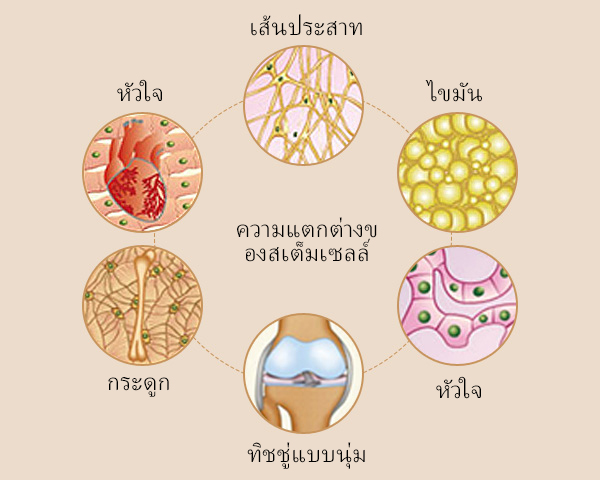
The human body holds roughly 60 trillion cells of at least 200 types. Among them are cells that can turn into any other cell — stem cells. Wonjin explains their core roles as building new tissue, adjusting immune function, activating growth factors and self-renewing through division.
Regenerating damaged tissue
Improving circulation and forming new vessels
Activating growth factors and cell proliferation
How do the stem cell sources differ?
| Type | Origin | Harvesting | Ethical issue | Teratoma risk |
|---|---|---|---|---|
| Embryonic stem cells | Egg / fertilised egg | Difficult | Yes | Possible |
| Adipose stem cells (adult) | Body fat | Relatively easy | Almost none | Almost none |
| Bone marrow stem cells (adult) | Bone marrow | Relatively easy | Almost none | Almost none |
| Blood stem cells (adult) | Blood vessels / cord blood | Average to relatively easy | Almost none | Almost none |
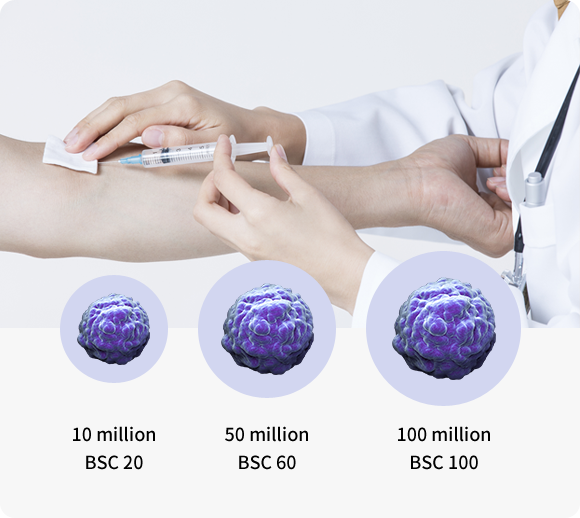
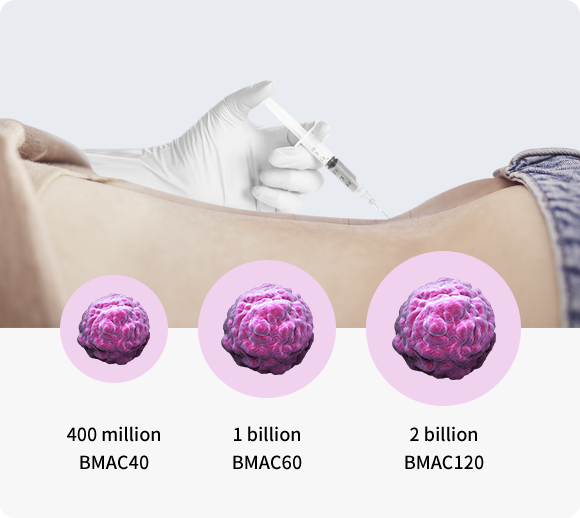
Who is Wonjin's stem cell procedure for?
- Want to keep facial volume as they age
- Have hollow cheeks or temples, or sagging that adds years
- Want smoother, younger-looking skin
- Are concerned about implants and filler side effects
- Want breast or hip volume without surgery
- Want to soften an angular face without surgery
How the stem cells are extracted
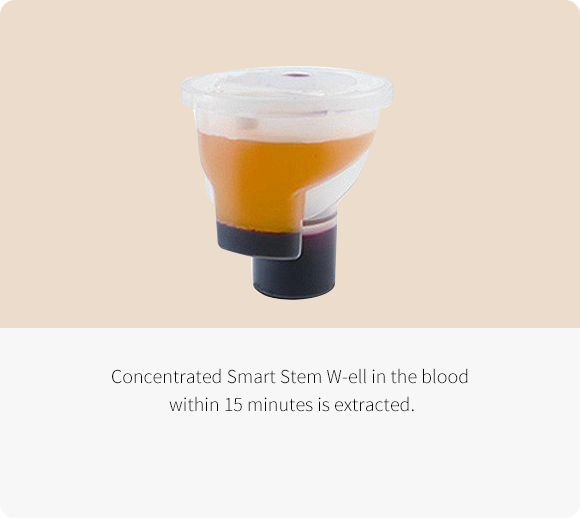
The clinic states healthy cells last only about four hours at room temperature, so they must be used immediately after separation.
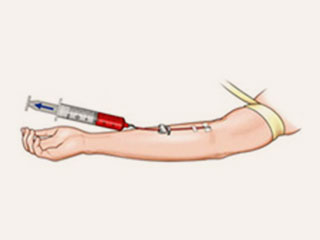
1. Blood or fat harvest
A sample is taken from the patient's own body as the source of adult stem cells.
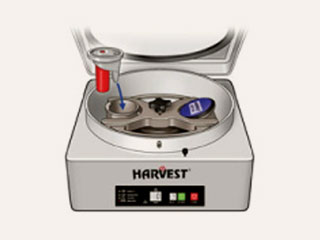
2. Stem cell separation
The cell layers are separated by a centrifugation process that controls heat and air exposure.
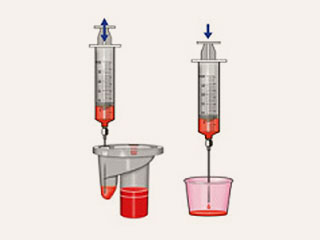
3. Extraction and immediate reinjection
The clinic states healthy cells survive only about four hours at room temperature, so they are used immediately after extraction.
Where does Wonjin apply its stem cell work?
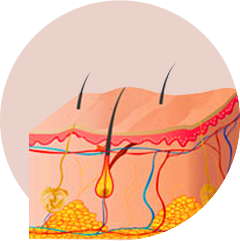
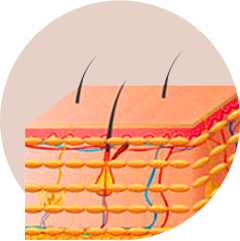
AREA #1
Stem cell fat grafting
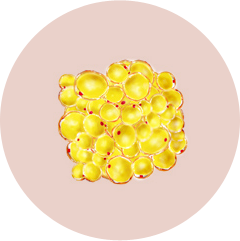
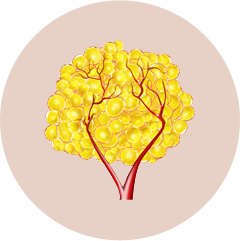
A fat graft protocol that limits the air and heat exposure which disturbs graft take. The clinic states retention is higher when SmartPrep2 is added, because the stem cells help build feeding vessels and can differentiate into fat cells themselves.
- Uses the Lipokit device, which liposuctions and centrifuges in one closed system so the fat never meets air.
- The clinic states infection risk and cell damage drop, and free oil that lowers graft survival is removed.
- Small volumes are layered through periosteum, muscle, subcutaneous fat and dermis instead of one large single-layer deposit that leaves an uneven surface.
- The stem cells are also credited with collagen production and skin elasticity at the treated area.
AREA #2
Skin rejuvenation
The clinic explains that stem cells carry growth factors which drive cell proliferation and collagen synthesis, generate hyaluronic acid to stimulate epithelial cells, and help refill areas where the skin has lost volume.
- Targets elasticity, smoothness and skin that looks restored from within.
- The clinic stresses the result depends on the quality of the extracted cells, so the medical system and equipment matter.
AREA #3
Hair growth
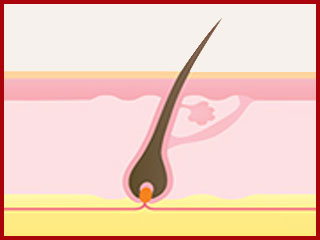
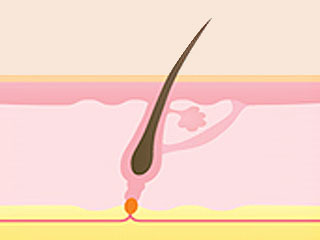
The concentrated growth factors in SmartPrep2 (VEGF, PDGF, FGF, IGF, HGF, TGF) are used to trigger new vessel formation and stem cell differentiation, which in turn drives fibroblast and endothelial cell growth.
- The clinic states it suits stage-3 thinning, because it helps existing follicles regrow.
- Where no hair remains at all, conventional transplantation is still more effective.
What damages stem cells?
Unstable centrifugation damages stem cells
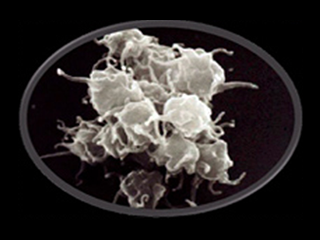
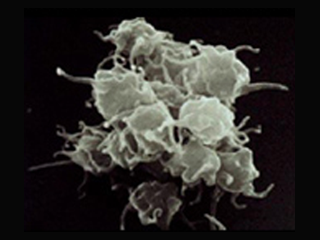
Ordinary centrifugation generates heat and air exposure that can damage cells, so cells drawn from an unstable process may be weak and ineffective. The clinic states it uses current-generation equipment for a stable separation.
Unstable process
- Low count of living cells
- Cells extracted earlier may weaken and stop working
Stable process
- High count of living cells
- Healthy cells go on to build new cells in the body
Storage requires liquid nitrogen at −196°C
Stem cells must be held in liquid nitrogen at −196°C to limit intracellular ice formation and protect the cell membrane; a normal freezer is not enough. Correct storage lets your own cells be used again for a later session.
How should you prepare and recover?
- 1
Always consult the doctor first: the cell yield and the result differ from person to person.
- 2
Declare regular medication, especially anything affecting clotting or circulation.
- 3
No hospital stay and no suture removal, but allow at least one day in Korea for follow-up.
- 4
After a fat graft, avoid pressure on the treated area and skip alcohol and smoking early on so the graft takes.
- 5
Ask the clinic to state the cell count per session, the separation device used and the cell storage plan.
Contacting and reaching Wonjin
- Hospital
- Wonjin Plastic Surgery (원진성형외과)
- District
- Seocho-gu, Seoul
- Subway
- Gangnam Station, exit 7
- Languages
- Korean, Thai, English (international desk)
Key facts
- Zone
- Gangnam, Seoul
- Procedure time
- About 1–2 hours
- Hospitalisation
- Not required
- Stay in Korea
- 1 day
- Cell source
- Own adult stem cells
- Applications
- Fat graft, skin, hair
What Wonjin explains in more depth than most clinics is the quality of the extracted cells, not just the procedure name. Its site states plainly that healthy cells survive only about four hours at room temperature and must be used immediately after separation — which is why harvesting, centrifugation and reinjection all happen on the same day.
The hospital also warns about damage from unstable centrifugation, which generates heat and exposes cells to air, leaving a low living-cell count and weakened cells. Wonjin states it uses current-generation equipment for a stable separation. At consultation, ask which device is used and whether the living-cell count is measured before injection.
On the fat grafting side, Wonjin uses the Lipokit device, which liposuctions and centrifuges within one closed system so the fat never meets air. The hospital reports higher graft take, lower infection risk and less cell damage, and layers small volumes through periosteum, muscle, subcutaneous fat and dermis rather than depositing one large bolus in a single layer, which leaves an uneven surface and poorer retention.
For hair, Wonjin uses SmartPrep2, a concentrated growth factor preparation (VEGF, PDGF, FGF, IGF, HGF, TGF) intended to trigger new vessel formation and stem cell differentiation. The hospital sets the boundary clearly: it suits stage-3 thinning, while conventional transplantation remains more effective where no hair is left — a candid limitation worth using as your decision criterion.
The last point is storage. Wonjin explains that stem cells must be kept in liquid nitrogen at −196°C to limit intracellular ice crystals and protect the cell membrane; an ordinary freezer will not do. If you plan a repeat session later, ask about banking terms, duration and cost at the first consultation.
The usual caveat for this hub applies: everything above is the hospital's own published description, not a clinical conclusion guaranteeing outcomes. Cell yield, fat retention and skin response vary per person. Anyone with a chronic condition, pregnancy, cancer history or immunosuppressant use should consult their own physician first.
Frequently asked questions
How long does Wonjin's stem cell procedure take?
The hospital states about 1–2 hours, with no suture removal and no hospital stay, using numbing cream with sedation. It recommends allowing at least one day in Korea for follow-up.
Which type of stem cells does Wonjin use?
Adult stem cells from the patient's own body. The site describes them as relatively easy to harvest, with almost no ethical issue and almost no teratoma possibility, in contrast to embryonic stem cells, which are difficult to harvest and carry both concerns.
Why must the cells be reinjected immediately after extraction?
Because the hospital states healthy cells survive only about four hours at room temperature; beyond that their quality falls. Harvesting, separation and reinjection therefore happen within the same day.
What does unstable centrifugation do to the cells?
Ordinary centrifugation generates heat and air exposure, leaving a low living-cell count while cells extracted earlier may weaken and stop working. Wonjin says it uses current-generation equipment for a stable separation that yields a high living-cell count.
How does stem cell fat grafting differ from a normal fat graft?
The hospital states retention is higher with SmartPrep2 added, because the stem cells help build feeding vessels and can differentiate into fat cells. It also uses the Lipokit device, which suctions and centrifuges in a closed system so the fat never meets air.
Why is fat injected across multiple layers?
Depositing a large volume in a single layer leaves an uneven surface and lowers retention. Wonjin therefore layers small volumes through periosteum, muscle, subcutaneous fat and dermis for a smoother surface and better graft take.
What does the procedure do for facial skin?
The hospital explains that stem cells are rich in growth factors driving cell proliferation and collagen synthesis, generate hyaluronic acid to stimulate epithelial cells, and help refill areas where the skin has lost volume. The goal is elasticity and smoothness.
Who is SmartPrep2 hair treatment for?
The hospital states it suits stage-3 thinning because it helps existing follicles regrow, while conventional transplantation is more effective in areas with no remaining hair.
Can the cells be stored for a future session?
Yes, but only in liquid nitrogen at −196°C to limit intracellular ice formation and protect the cell membrane; a normal freezer is not enough. Ask about banking terms, duration and cost at the first consultation.
How should I prepare and what should I avoid?
Consult the doctor and declare regular medication, especially anything affecting clotting or circulation. After a fat graft, avoid pressure on the treated area and skip alcohol and smoking early on so the graft takes.
How much does it cost and where do I ask?
The hospital does not publish stem cell pricing on the page. Ask via Wonjin's international clients service, and request a written quote stating the procedure, number of sessions, equipment used and total cost before you travel.
Where is Wonjin, and is Thai-language service available?
Wonjin is in Gangnam, Seoul, near Gangnam Station. It runs a Thai-language site and a dedicated international clients service, so you can enquire and book from Thailand in advance.
Sources
Procedure details, protocol and figures on this page are compiled from Wonjin's official stem cell procedure page and re-checked at each update.
Last updated: 2026-08-13 · This content is for information only and is not medical advice. Consult a qualified doctor before making treatment decisions.


