Quick answer
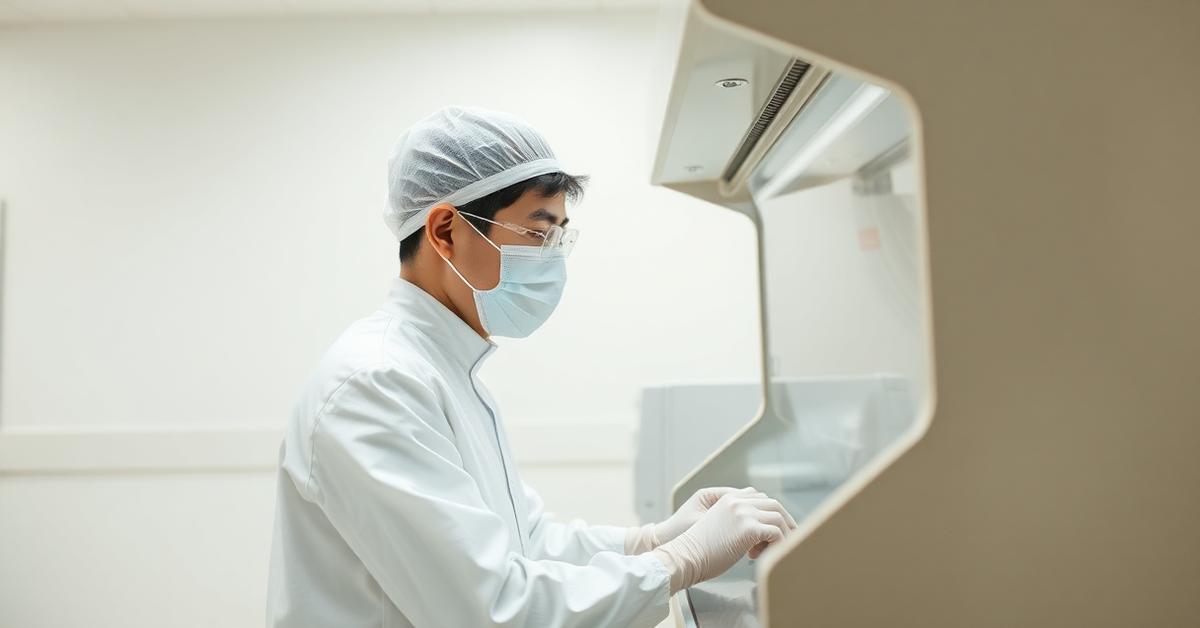
Bong Bong Wellness Clinic states it has operated its own Basic Cell laboratory for more than ten years, allowing quality control over cell preparation from start to treatment without outsourcing samples to an external lab. That continuity supports accumulated specialised know-how and ongoing refinement of preparation processes — a factor worth weighing alongside the more than 2,000 clinical cases the clinic references.
A decade of in-house lab operation
One point Bong Bong Wellness Clinic emphasises is having its own in-house, one-stop laboratory — established well before Reverse Aging became a popular trend. The clinic states it has conducted continuous Basic Cell research for more than ten years, a fairly long track record within Korea's regenerative-medicine sector.
The advantage of owning the lab
The advantage the clinic cites is that owning the lab lets preparation and treatment finish in one day for some cases, without sending samples to an external facility — reducing delays from sample transport and letting the medical team control cell quality throughout, from collection to injection.
Linking to 2,000+ clinical cases
The clinic also links its lab experience to the more than 2,000 clinical cases it states it has handled, framing the combination of lab experience and real patient volume as reinforcing confidence in its process. However, the 2,000-case figure is self-reported; patients comparing clinics should ask for further detail, such as the time period covered and what types of cases are included in that count.
KFDA approval and patents
This continuous in-house lab operation ties into the clinic's stated KFDA (Korea Food and Drug Administration) approval and patents related to Basic Cell technology, including original adult stem-cell source technology held in Korea. Interested patients should ask the clinic directly for certification or approval-number documentation, since this article relies on the clinic's own claims rather than independent verification of official records.
What lab age does and doesn't tell you
From an international patient's perspective, a decade of lab operation indicates operational continuity, but it does not directly guarantee a success rate for any individual case. Outcomes also depend on the patient's own condition, age, underlying illness and consistency of aftercare — points worth discussing candidly with the physician before deciding.
Documentation worth requesting
For Thai patients, the recommendation is to ask the clinic for tangible evidence — relevant KFDA certificates, held patents, and an outline of the lab's cell-preparation steps — rather than relying only on the number of years in operation or case count. Requesting this documentation in advance supports a more confident decision before travelling to Korea for treatment.
Last updated: 2026-08-28 · This content is for information only and is not medical advice. Consult a qualified doctor before making treatment decisions.