Skip to content
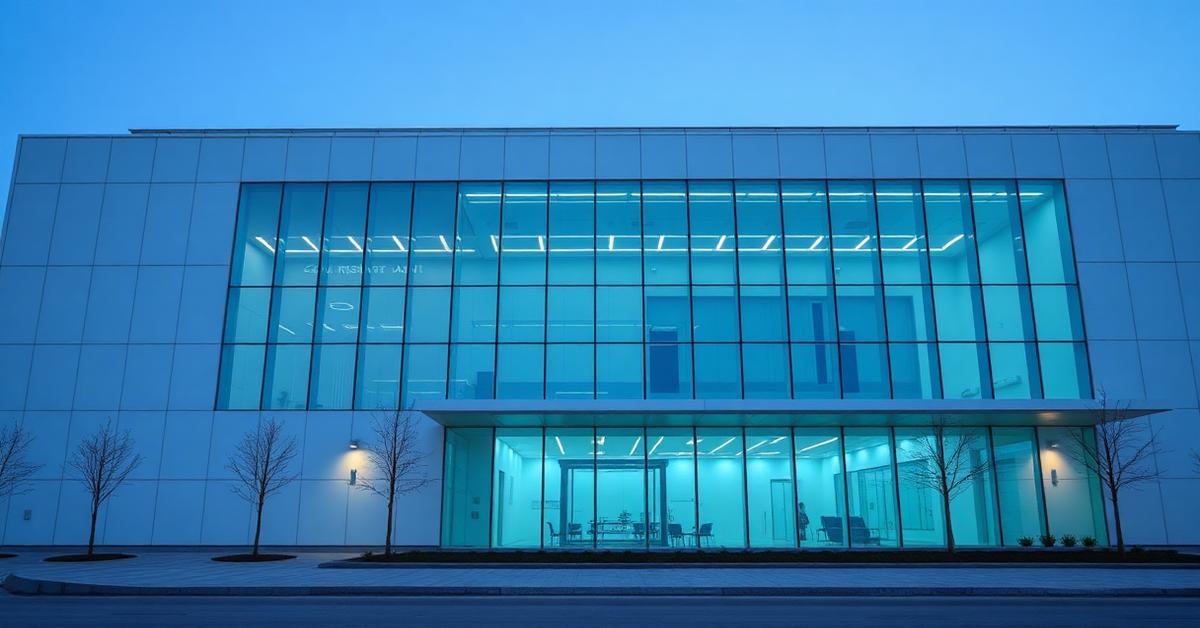
EHL Bio cover: the cell research hospital building at blue hour

EHL Bio: the Korean stem cell hospital with its own research company and GMP lab

Hospital, research institute and cell-culture plant under one roof

Quick answer

EHL Bio is a Korean stem cell medical group that combines three things: a treating hospital, a bio research institute founded in 2012, and its own international-standard GMP laboratory able to culture over 6,000 cell lots per year. Its edge is proprietary technology for isolating and expanding a patient's own adipose-derived stem cells, plus a clinical pipeline of cell drugs including ADSTEM, KDSTEM, RASTEM and PDSTEM.

Key facts

Research institute founded
2012
GMP capacity
6,000 lots/year (500 lots/month)
Partner hospitals
~100 in Korea, ~50 overseas
Cell drug pipeline
ADSTEM, KDSTEM, RASTEM, PDSTEM, KEYCELL-IM
Overseas licence
Japan CPC licence (MHLW)

An in-house cell plant, not an outsourced lab

What separates EHL Bio from typical Korean stem cell clinics is that it does not outsource cell expansion. It runs its own GMP cell-manufacturing centre, so fat harvesting, mesenchymal stem cell (MSC) isolation, expansion, quality control and cryopreservation all sit inside one traceable chain of custody.

The 2012 research institute and the cell-drug pipeline

On the research side, the company set up its bio research institute in 2012 and was certified as a corporate research centre, then expanded into a multi-product cell-drug pipeline. The most advanced asset is ADSTEM inj. for atopic dermatitis, which completed phase 1 and moved into phase 2 across several Korean university hospitals.

Partner hospital network and overseas licences

Its treatment network spans roughly 100 partner hospitals in Korea and about 50 abroad. The group also holds a CPC licence (specified cell-processed product manufacturing) from Japan's Ministry of Health, Labour and Welfare, and opened a joint-venture cell therapy hospital in Cambodia.

The step-by-step path for Thai patients

For Thai patients the standard path is a medical review of recent lab results first, then a scheduled fat harvest (or urine collection for KDSTEM), roughly 4-6 weeks of culture, then a return visit for the infusion schedule the physician sets. All of this belongs under a treating doctor's assessment, not an off-the-shelf package.

Frequently asked questions

  • How is EHL Bio different from an ordinary stem cell clinic?

    Ownership of the whole process. EHL Bio operates the hospital, the research company and the GMP cell plant itself, so cell quality is controlled end to end, whereas many clinics are only service points that send cells to a third-party lab.

  • Are the stem cells autologous or from a donor?

    The core programmes are autologous — the patient's own cells from fat tissue or urine — which lowers immune-rejection risk compared with donor cells.

  • How many days must I stay in Korea?

    Usually two trips: 2-3 days for screening and cell harvesting, then a second visit for infusion once culture finishes about 4-6 weeks later. The exact schedule depends on the programme and the treating physician.

  • Are results guaranteed?

    No cell therapy can guarantee outcomes, and several of these products are still in clinical trials. Ask for each product's current research status and review it with your own physician.

Share this page

Last updated: 2026-08-28 · This content is for information only and is not medical advice. Consult a qualified doctor before making treatment decisions.

Back to categories

Related topics: EHL hospital & lab

See all in this category