Double jaw surgery
Facial asymmetry correction (안면비대칭)
Skeletal asymmetry is assessed across the occlusal plane, chin position and the length of each side of the jaw. EU explains that some cases need a degree of overcorrection to end up genuinely balanced.
Who it suits
- A chin deviated to one side
- A canted occlusal plane or uneven smile line
- Differing jaw length and masticatory muscle bulk between sides
Technique highlights
- Analysis of occlusal cant together with jaw-joint position
- May combine contouring so the soft tissue balances on both sides
Surgical steps
- 3D CT imaging with quantified asymmetry measurements
- Simulation of the planned rotation and repositioning
- Surgery to level the occlusal plane and centre the chin
Recovery & aftercare
- The same recovery protocol as double jaw surgery
Risks & things to consider
- Soft-tissue asymmetry may remain visible even after the skeleton is corrected
Frequently asked questions
Why do some cases need overcorrection?
In its own case-review video EU explains that because soft tissue and muscle differ between sides, setting the bone exactly straight can still look deviated, so a measured overcorrection is planned.
Playlist: Double jaw surgery
11 clips in this playlist from the hospital's official channel.
- Double jaw or facial contouring — which suits you?
- Which malocclusion do you have? A surgeon explains the types
- Wisdom teeth: when to extract them for double jaw surgery
- Long face: why the diagnosis matters most
Recommended clips
- New clip from the official EU Oral & Maxillofacial Surgery channel: 10년 넘게 고민한 주걱턱, 양악수술을 결심한 이유
- New clip from the official EU Oral & Maxillofacial Surgery channel: 옆모습 콤플렉스, 안전성을 따져 수술을 결심한 이유
- New clip from the official EU Oral & Maxillofacial Surgery channel: 주걱턱과 맞물림 고민, 양악수술을 결심한 이유
- New clip from the official EU Oral & Maxillofacial Surgery channel: 사진 찍을 때 더 신경 쓰였던 광대, 수술 결심했어요
Real patient reviews
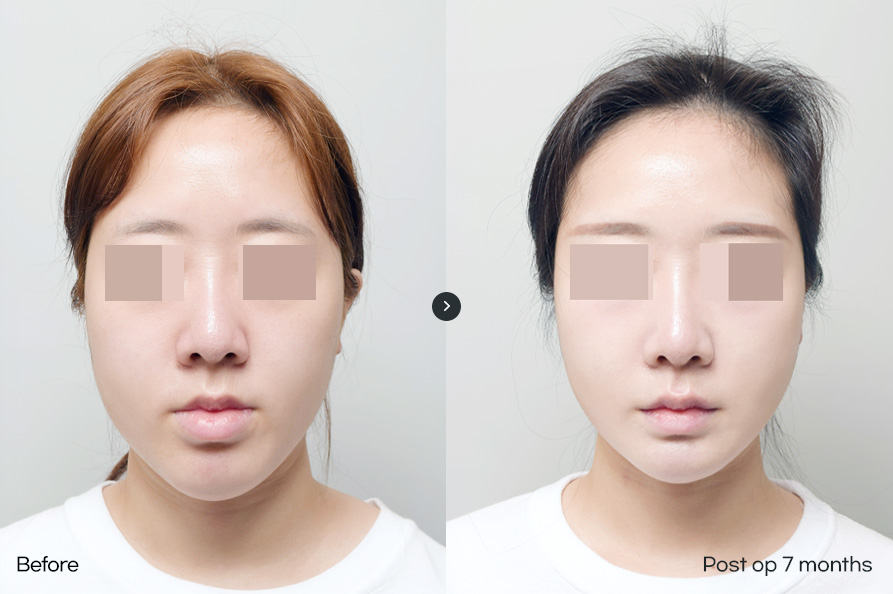 Double jaw surgery + Mini V-line · Front view
 Double jaw surgery + Mini V-line · 45° view
 Double jaw surgery + Mini V-line · Side view
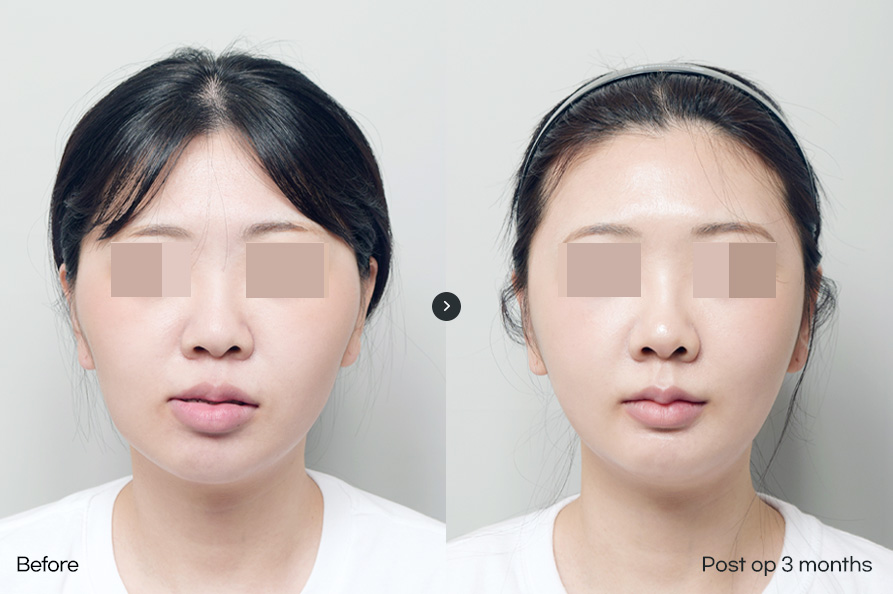 Double jaw surgery + V-line surgery + Cheekbone reduction · Front view
 Double jaw surgery + V-line surgery + Cheekbone reduction · 45° view
 Double jaw surgery + V-line surgery + Cheekbone reduction · Side view
Other procedures in this area
Source: eudental.co.kr
Related hospital profiles
WJ Wonjin Plastic Surgery
Gangnam plastic-surgery specialty hospital: 19 in-house surgeons, 13 procedures, official before & after photos and videos.
Dream Plastic Surgery
Cheongdam plastic-surgery hospital: six Seoul National University-trained surgeons, 32 procedures and 60 published before & after cases.