Double jaw surgery
Double jaw surgery (양악수술)
Both jaws are repositioned to correct a skeletal imbalance and the malocclusion it causes. EU frames it as functional treatment rather than cosmetic surgery, performed by oral & maxillofacial surgeons together with an orthodontist.
Who it suits
- Skeletal protruding jaw, receding chin or facial asymmetry
- Long face, anterior open bite or a gummy smile
- Severe mouth protrusion beyond orthodontics or ASO alone
Technique highlights
- Operated by two board-certified oral & maxillofacial co-directors
- Planned on 3D CT with combined digital and model analysis
- Coordinated with the hospital's own orthodontist before and after surgery
- Inpatient management system with a resident anaesthesiologist
Surgical steps
- 3D CT and radiographs with combined occlusal and facial proportion analysis
- Surgical simulation to set how far each jaw moves
- A patient-specific wafer produced by the in-house laboratory
- Intra-oral osteotomy of both jaws with plate and screw fixation
- Inpatient recovery with continuous staff monitoring
Recovery & aftercare
- Water from 6–8 hours; smooth liquid food from the next day
- Sleep with the head above heart level in week one to limit swelling and ease breathing
- Compression face band for about two weeks and antiseptic rinses three times a day for two weeks
- Follow-ups at one week, two weeks and one month, with two weeks of laser de-swelling care
Risks & things to consider
- Old blood may drain from the mouth or nose for the first few days, and in some patients for up to four weeks
- General anaesthesia is required, so health screening and fasting rules apply
- Skipping the planned post-operative orthodontics can leave the bite unsettled and the result unstable
Frequently asked questions
How often must you return after double jaw surgery?
EU asks patients to return one week, two weeks and one month after discharge; IVRO and SSRO schedules differ by two to three days, and two weeks of laser care is provided.
What if breathing feels difficult after surgery?
EU explains that swollen oral and nasal mucosa makes breathing uncomfortable; staff monitor patients continuously while admitted, and a nasal spray is prescribed for use at home.
Playlist: Double jaw surgery
11 clips in this playlist from the hospital's official channel.
- Double jaw or facial contouring — which suits you?
- Which malocclusion do you have? A surgeon explains the types
- Wisdom teeth: when to extract them for double jaw surgery
- Long face: why the diagnosis matters most
Recommended clips
- New clip from the official EU Oral & Maxillofacial Surgery channel: 10년 넘게 고민한 주걱턱, 양악수술을 결심한 이유
- New clip from the official EU Oral & Maxillofacial Surgery channel: 옆모습 콤플렉스, 안전성을 따져 수술을 결심한 이유
- New clip from the official EU Oral & Maxillofacial Surgery channel: 주걱턱과 맞물림 고민, 양악수술을 결심한 이유
- New clip from the official EU Oral & Maxillofacial Surgery channel: 사진 찍을 때 더 신경 쓰였던 광대, 수술 결심했어요
Real patient reviews
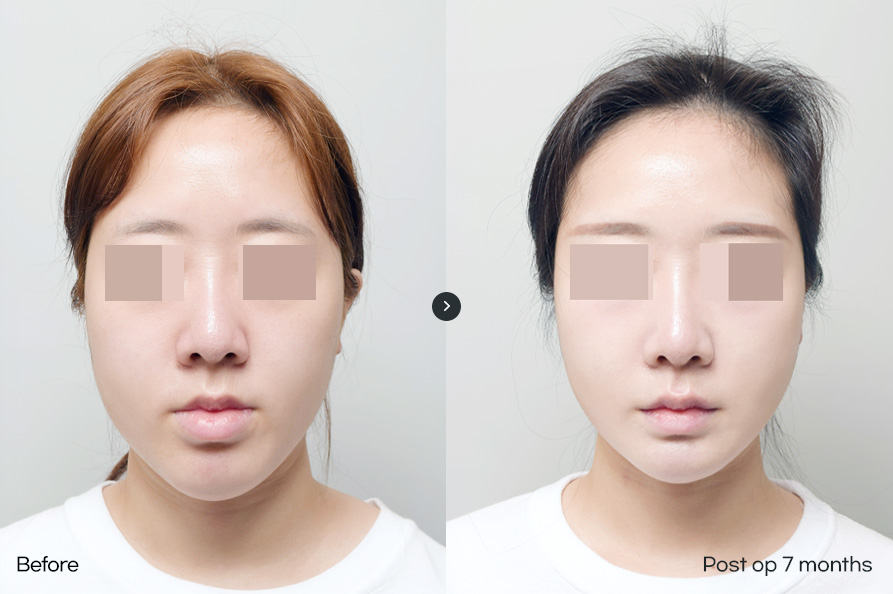 Double jaw surgery + Mini V-line · Front view
 Double jaw surgery + Mini V-line · 45° view
 Double jaw surgery + Mini V-line · Side view
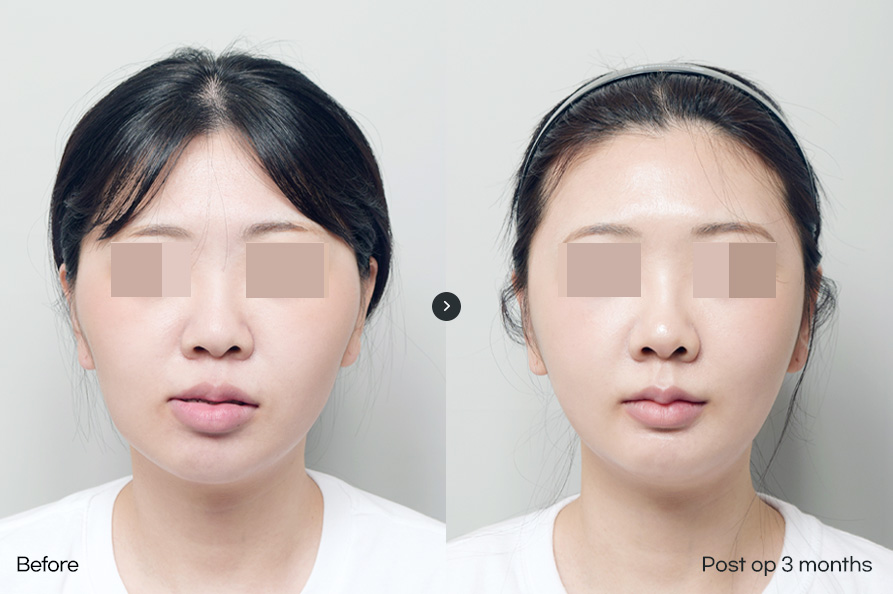 Double jaw surgery + V-line surgery + Cheekbone reduction · Front view
 Double jaw surgery + V-line surgery + Cheekbone reduction · 45° view
 Double jaw surgery + V-line surgery + Cheekbone reduction · Side view
Other procedures in this area
Source: eudental.co.kr
Related hospital profiles
WJ Wonjin Plastic Surgery
Gangnam plastic-surgery specialty hospital: 19 in-house surgeons, 13 procedures, official before & after photos and videos.
Dream Plastic Surgery
Cheongdam plastic-surgery hospital: six Seoul National University-trained surgeons, 32 procedures and 60 published before & after cases.