Skip to content
Cover: a low-sodium Korean meal of steamed vegetables, rice and grilled fish

Nutrition and self-care for kidney regeneration: what you can do daily alongside treatment

Sodium, protein, blood pressure and sleep are the four variables you control

Quick answer

Whatever treatment you choose, kidney regeneration depends on controlling sodium, matching protein intake to your disease stage, hitting the blood pressure target your doctor sets and avoiding NSAID painkillers. These have clear evidence for slowing decline and make other treatment effects measurable.
Key facts

Controllable variables
Sodium, protein, blood pressure, sleep
Protein
Calculated, not minimised
Avoid
NSAIDs and unknown supplements
Metrics to track
Blood pressure, weight and UACR
Who to consult
Nephrologist and dietitian

Sodium is target one. Many Thai and Korean dishes are high in sodium from dipping sauces, soups and ferments. Cutting it lowers blood pressure and proteinuria, two variables directly tied to kidney decline.

Protein must be right-sized, not minimised. Over-restriction causes muscle loss and worse overall health, so have a dietitian calculate it from your weight and disease stage rather than guessing.

Clear things to avoid: NSAID painkillers, herbal supplements of unknown composition and severe dehydration. All three commonly cause acute worsening in otherwise well-controlled patients.

Frequently asked questions

  • Does drinking a lot of water flush the kidneys?

    Not universally; some patients must restrict fluid, so ask your doctor for your own target.

  • Is plant protein better?

    It can help with acid and phosphorus load, but potassium must be reviewed individually.

  • How much exercise is safe?

    Regular walking and light-to-moderate activity is usually safe and helps blood pressure; build up gradually.

  • Do kidney supplements help?

    Most lack evidence and some contain potassium or compounds that burden the kidney.

  • Why does sleep matter?

    Poor sleep and sleep apnoea make blood pressure harder to control, which directly affects the kidney.

Medical cautions

5 points • reviewed 2026-09-02

Expand
  • This article is educational information only — not a diagnosis, prescription, or personal medical advice.
  • Outcomes vary by person, depending on age, underlying conditions, current medication, and the treating doctor's technique.
  • Consult a licensed physician and verify the clinic's licence before deciding on any treatment.
  • Some treatments (certain stem cell therapies in particular) are regulated differently by country — check Thai and Korean rules before travelling.
  • Prices, packages, and service details can change — confirm directly with the provider before paying.

Reviewed and last updated: 2026-09-02

References and sources

5 sources • every claim is traceable

Expand
  1. 1. Original article on khunkim.com (pre-migration)

    https://www.ehlbio.co.kr

  2. 2. Korea Ministry of Food and Drug Safety (MFDS)

    https://www.mfds.go.kr/eng/index.do

  3. 3. Korea Ministry of Health and Welfare (MOHW)

    https://www.mohw.go.kr/eng/

  4. 4. PubMed medical research database (NIH)

    https://pubmed.ncbi.nlm.nih.gov/

  5. 5. Medical Korea — official info for international patients (KHIDI)

    https://www.medicalkorea.or.kr/

Browse the full reference library →

Share this page

Last updated: 2026-09-02 · This content is for information only and is not medical advice. Consult a qualified doctor before making treatment decisions.

Back to categories

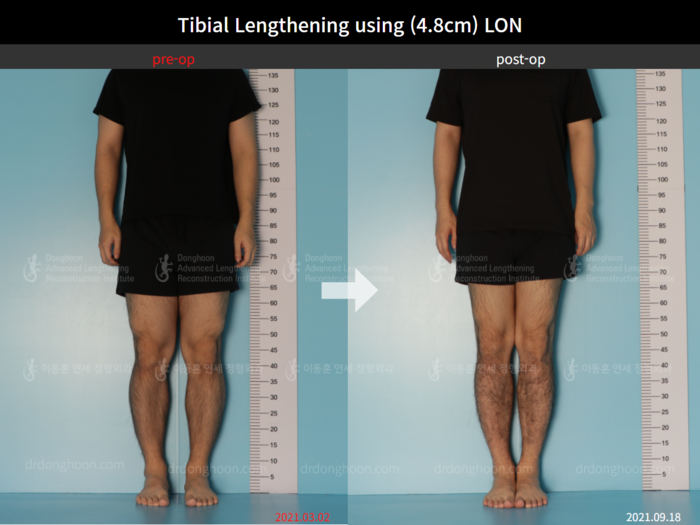
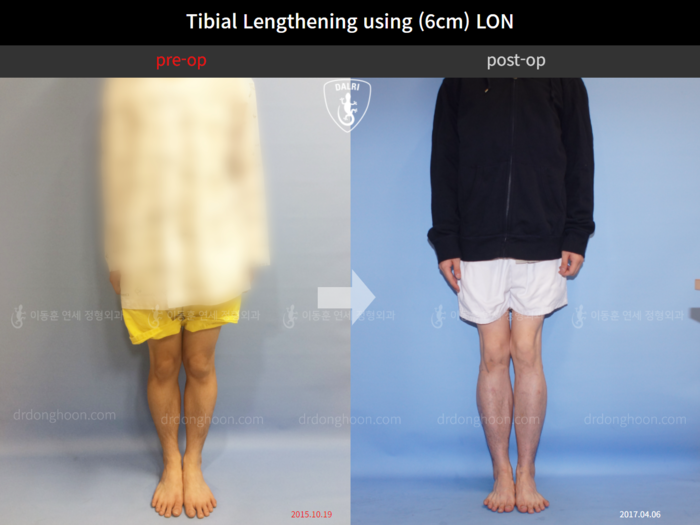
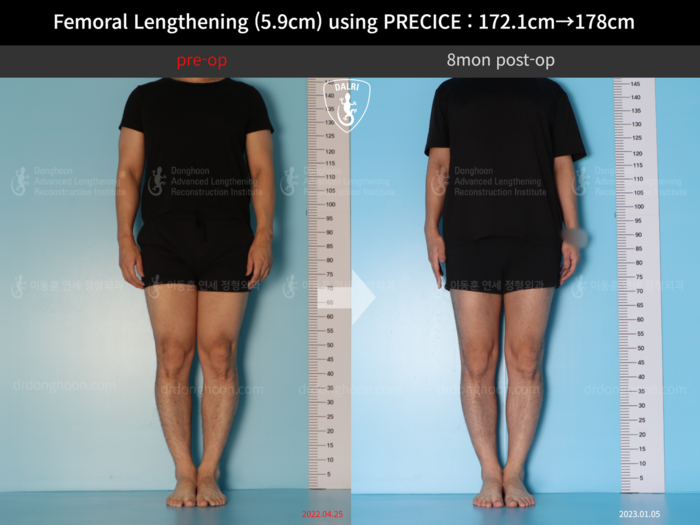
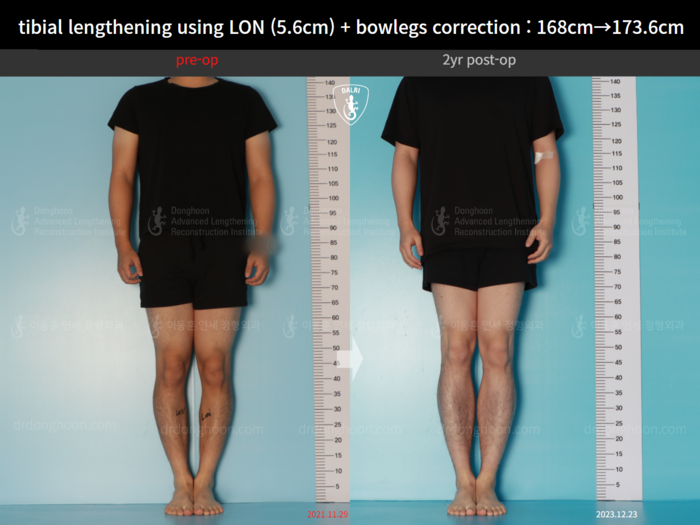
Height increase before & after cases

Dr. Donghoon (DALRI)

View full gallery

Related hospital profiles

See all in this category