Rhinoplasty
Rhinoplasty for a low nasal bridge
Raises the bridge in proportion to the face using an implant and/or autologous cartilage, with tip refinement from ear or septal cartilage for a natural line.
Who it suits
- Low or flat nasal bridge
- Short, upturned or undefined nasal tip
- Wants better overall facial proportion
Technique highlights
- Material chosen to suit each nasal structure
- Autologous cartilage at the tip for safety
- Designed alongside forehead, chin and lip proportions
Surgical steps
- Analysis of nasal structure and facial proportion
- Open or closed technique and material selection
- Bridge augmentation and cartilage tip work
- Suture removal and follow-up
Recovery & aftercare
- Nasal splint removed around day 5-7
- Recommended stay in Korea 7-10 days
- Most swelling gone in a month; the shape settles at 3-6 months
Risks & things to consider
- Avoid glasses pressing on the bridge early on
- Avoid any impact to the nose for at least a month
- Previous rhinoplasty must be assessed as a revision case
Frequently asked questions
Implant or cartilage — which is better?
Most cases combine both: implant or cartilage on the bridge, with the patient's own cartilage at the tip to reduce the risk of extrusion.
Recommended clips
Real patient reviews
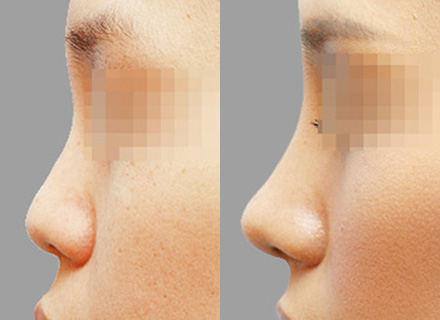 Rhinoplasty for a low nasal bridge
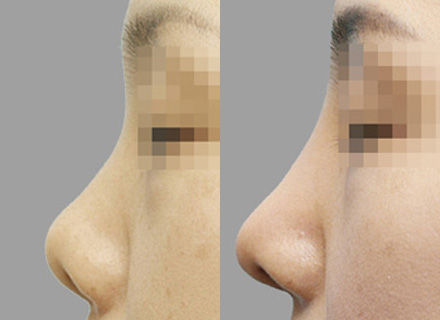 Rhinoplasty for a low nasal bridge
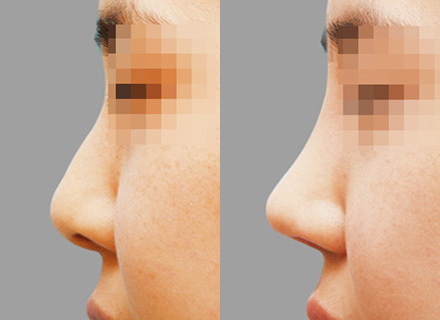 Rhinoplasty for a low nasal bridge
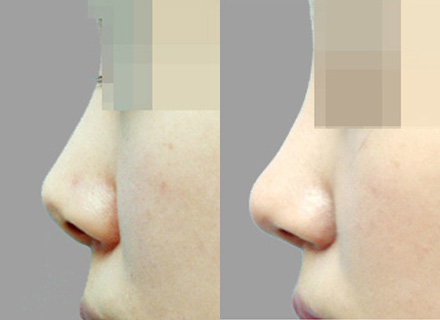 Rhinoplasty for a low nasal bridge
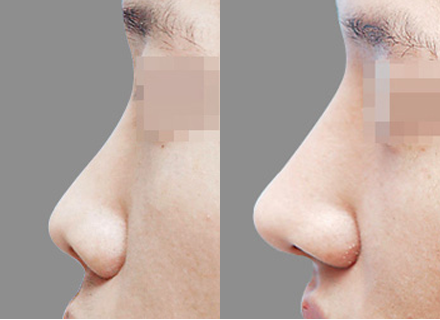 Rhinoplasty for a low nasal bridge
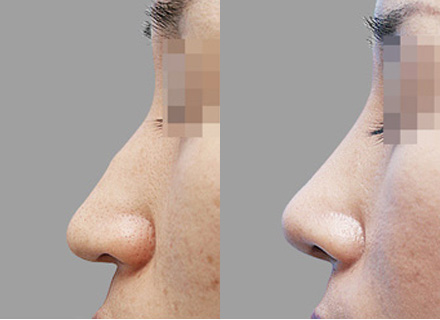 Rhinoplasty for a low nasal bridge
Other procedures in this area
Source: wonjinbeauty.com